Supreme Court Advocate for SLP, Bail and Writ Petitions in India
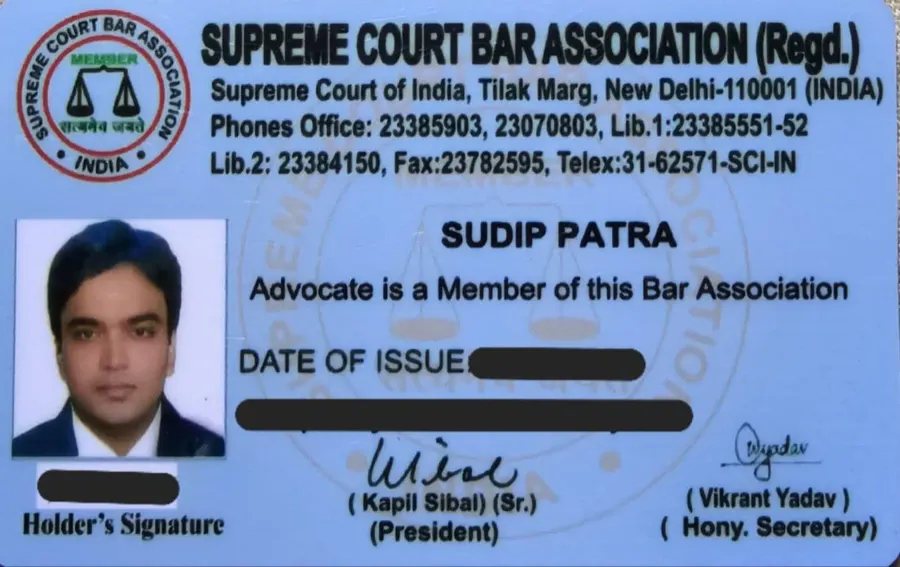
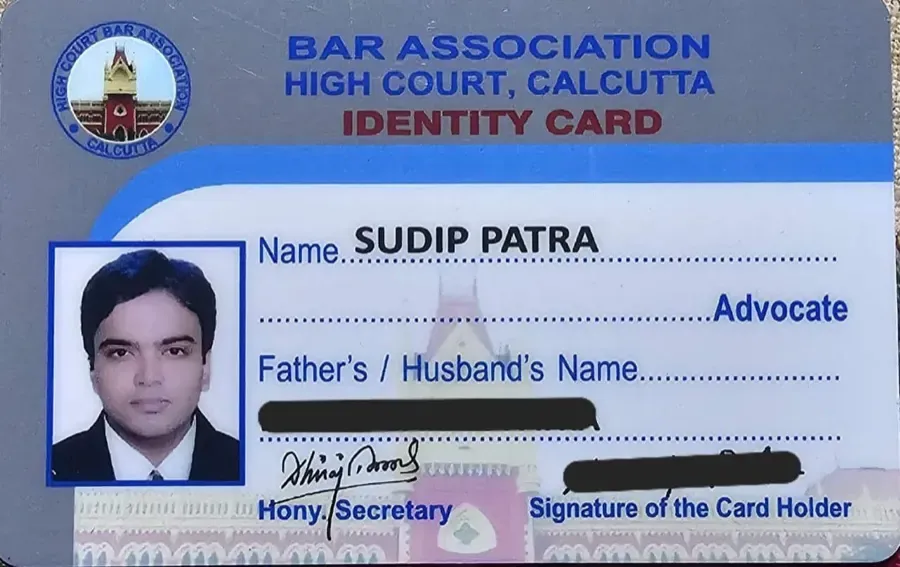
Advocate Sudip Patra appears in the Supreme Court of India and the Calcutta High Court. This page explains Special Leave Petitions under Article 136, writs under Article 32, bail, transfer, review and curative petitions, with the limitation periods and the steps involved. Consultations are held between 7.30 p.m. and 10.30 p.m.
What a Supreme Court advocate does, and how a case reaches the Apex Court
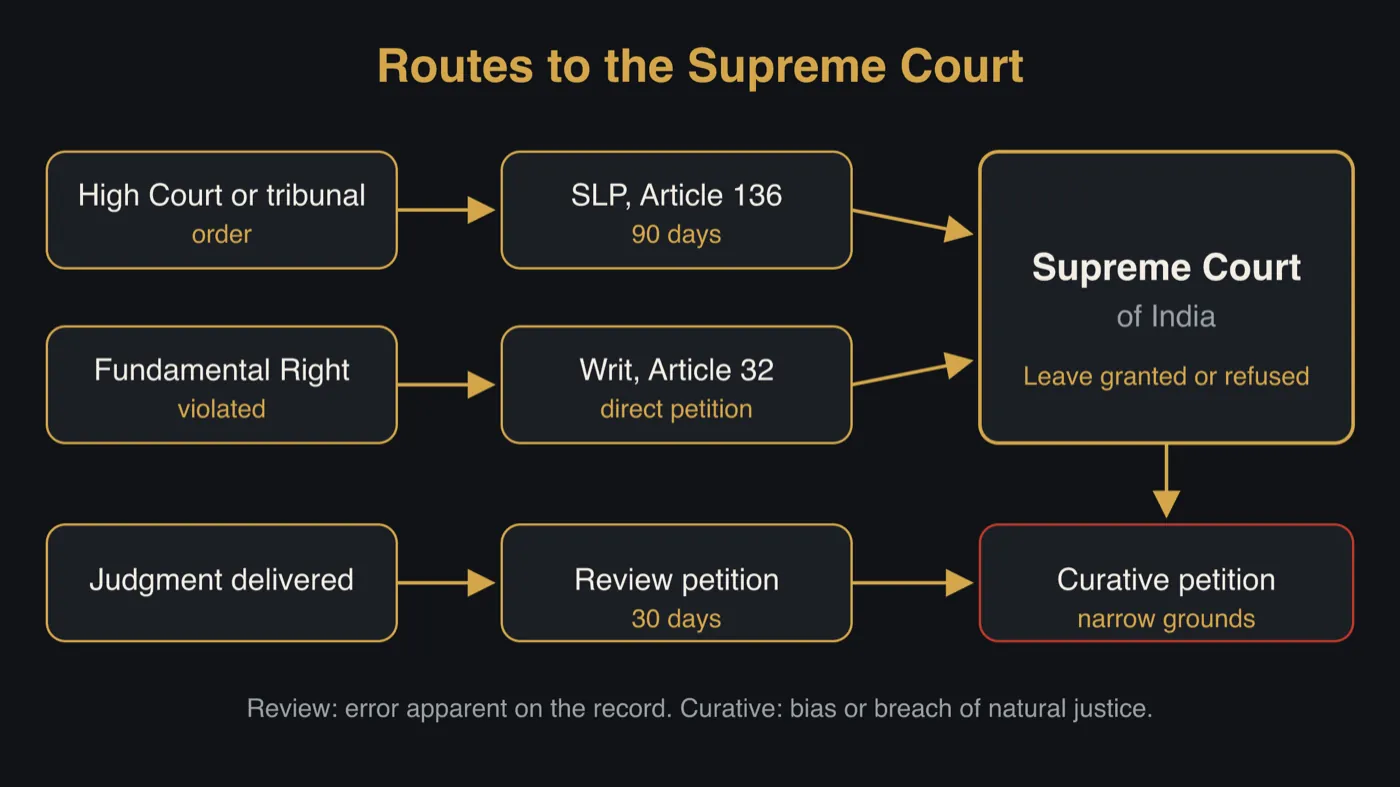
Most cases reach the Supreme Court of India by a Special Leave Petition under Article 136 of the Constitution, against a judgment or order of a High Court or tribunal. Others begin directly under Article 32, where a Fundamental Right is said to be violated. The Court’s procedure is governed by the Supreme Court Rules, 2013, and the Court publishes its rules, forms and notices on its official website. A petition is drafted around a question of law, not a re-run of the facts.
A petition is signed and filed through an Advocate-on-Record (AOR), who is the only advocate permitted to file in the Court. Anyone searching for a Supreme Court lawyer, in a civil or criminal matter, should therefore ask first who will file and who will appear. Our chamber is based in Kolkata and Delhi. We take instructions, study the record, prepare the draft, the synopsis and the list of dates, and arrange filing and appearance through an AOR. Where the matter began in the Calcutta High Court, see our page on the Calcutta High Court advocate consultation. For the lower-court stage of bail, see FIR and arrest advice. Outcomes depend on the record and the law, and no result can be promised.
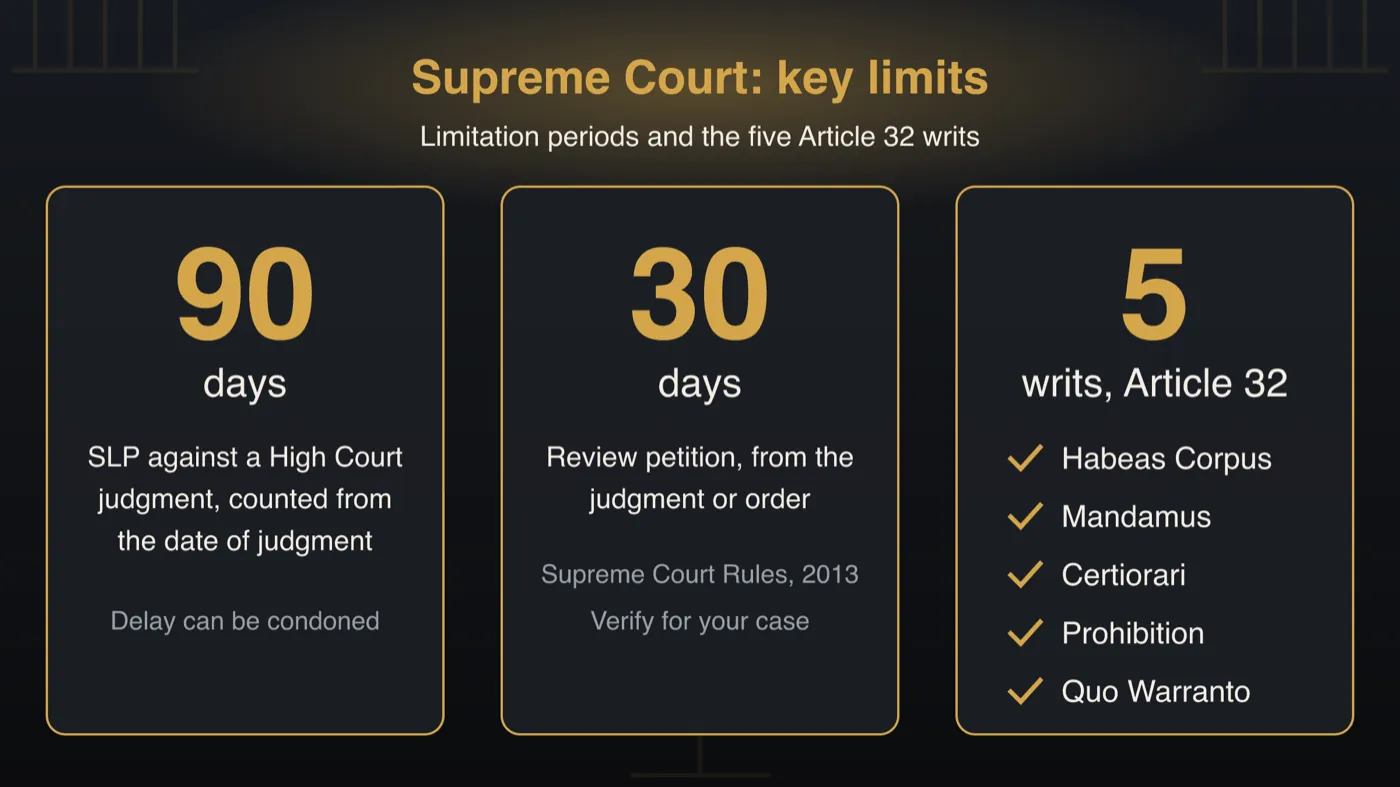
The periods that decide whether you can still go to the Supreme Court
These are the usual periods under the Supreme Court Rules, 2013; delay can be condoned only on sufficient cause, so please verify the exact dates for your order.
What is the latest paper you have received in your case?
Pick the order or paper in your hand to see the usual forum and the usual next step. This is general information and not advice, so please verify the details of your own case with an advocate.
Choose one of the options above.
How a Supreme Court matter usually moves
These are the usual stages of a Special Leave Petition. Timing varies with the Court’s listing and the nature of the case.
The certified copy of the judgment, the lower court record and the dates are checked. This shows whether a Supreme Court remedy lies and how much of the 90 days is left. A matter that began in the High Court can be read alongside our Calcutta High Court advocate page.
The SLP states the questions of law, the grounds and the prayers, with the synopsis, list of dates, annexures and affidavit. It is signed and filed through an Advocate-on-Record under the Supreme Court Rules, 2013. For criminal matters, see our page on anticipatory bail and arrest.
The Registry checks the petition and may mark defects, which must be cured within the time given. A delay in filing needs an application for condonation under Section 5 of the Limitation Act, 1963, with reasons for every day.
The Court hears the petitioner on whether leave should be granted. It may issue notice, consider interim protection in suitable cases, or dismiss the petition at the threshold. Our filing an SLP page explains this stage further.
The SLP becomes a civil or criminal appeal and is heard on merits. Service and tribunal cases follow the same path, as explained on our service matters page.
If an error is apparent on the record, a review may be considered within the time allowed. A curative petition is open only in rare cases of gross violation of natural justice or bias.
Four things people mix up about the Supreme Court, tap a card
No. An SLP asks the Court for permission to appeal under Article 136. The Court may refuse leave, and when it grants leave the matter is heard as an appeal.
No. It was recognised in Rupa Ashok Hurra v. Ashok Hurra (2002) 4 SCC 388 as a rare remedy after review is dismissed. It rests on narrow grounds such as breach of natural justice or bias.
Article 32 is for enforcing Fundamental Rights, not for ordinary disputes. The Court can ask you to go to the High Court first, so the facts and the right claimed must fit.
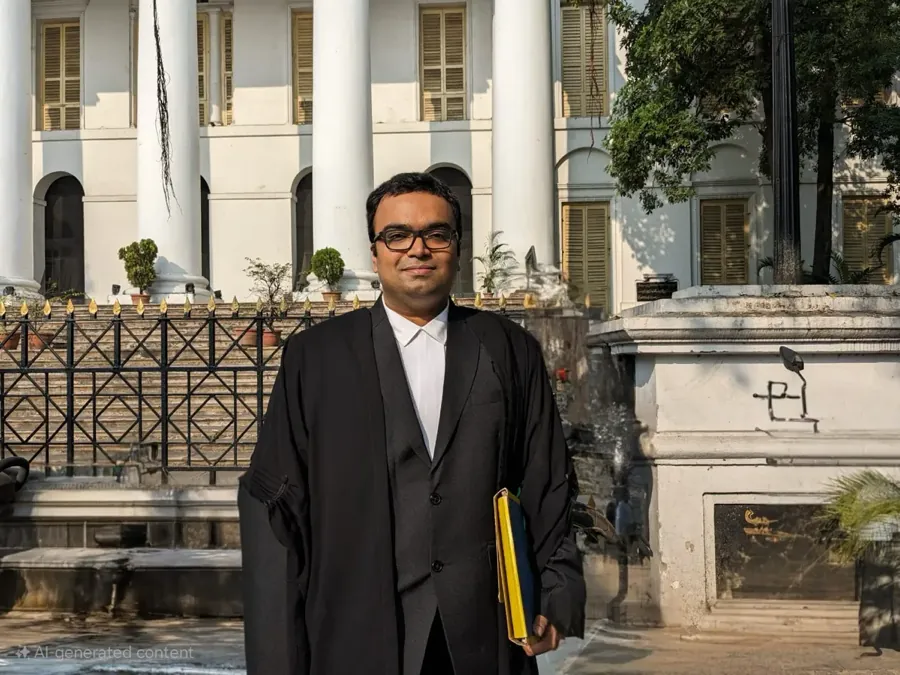
Matters taken up in the Supreme Court
Special Leave Petitions
An SLP asks the Court for permission to appeal against a High Court or tribunal order. It is drafted around a substantial question of law or grave injustice, with a synopsis, list of dates and certified copies. Leave may be granted or refused, so the grounds must be stated precisely.
Writ petitions
Where a Fundamental Right is violated, a person may approach the Court directly under Article 32 for habeas corpus, mandamus, certiorari, prohibition or quo warranto. The Court may ask the petitioner to go to the High Court under Article 226 first.
Bail and anticipatory bail
After a High Court refusal, bail and anticipatory bail (ss.483 and 482 BNSS, earlier ss.439 and 438 CrPC) are usually taken to the Supreme Court by SLP. Urgent matters involving arrest can be mentioned for early listing, subject to the Court’s circulars. See also our criminal law page.
Transfer, review and curative petitions
Transfer petitions move a case from one court to another on genuine grounds such as a fair trial. A review asks the Court to reconsider its own judgment for an error apparent on the record, and a curative petition follows only on narrow grounds such as bias or breach of natural justice.
How an SLP is prepared and filed
- Instructions taken and the certified copy of the impugned order checked
- Limitation counted from the date of judgment; condonation application if delayed
- Synopsis, list of dates and grounds drafted around the question of law
- Vakalatnama and affidavit prepared for the Advocate-on-Record
- Filing, removal of Registry objections and listing
- Appearance at admission and, if leave is granted, at the hearing
Supreme Court decisions a Supreme Court advocate checks before filing an SLP or writ
These Constitution Bench and leading judgments set the rules on special leave under Article 136, writs under Article 32, delay, anticipatory bail and curative petitions. Your papers are usually read against them first, before any filing in the Supreme Court of India.
1950
Special leave only in exceptional cases
The Court held that it uses its power under Article 136 sparingly. Special leave is granted only where exceptional and special circumstances exist and substantial, grave injustice has been done. Once leave is granted, the appellant may generally urge only the points that were fit to be raised at the leave stage. An SLP is not a routine second appeal on facts.
2000
Dismissal at the leave stage is not merger
When an SLP is dismissed at the leave stage, the High Court judgment does not merge into the Supreme Court’s order. A non-speaking dismissal declares no law under Article 141, although reasons given in a speaking order may bind. Merger happens only after leave is granted and the appeal is decided, so a review before the High Court may still be open.
1950
Article 32 is itself a fundamental right
The Court called itself the protector and guarantor of fundamental rights. Because the remedy under Article 32 sits in Part III of the Constitution, it held that it cannot refuse a petition about a violated fundamental right only because the petitioner did not first go to the High Court under Article 226. The right claimed must still truly be a fundamental right.
1987
Sufficient cause is read liberally, for merits
While condoning delay under Section 5 of the Limitation Act, 1963, the Court held that sufficient cause is elastic enough to let cases be decided on merits and substantial justice be done. The State is to be treated like any other litigant. Every period of delay in filing an SLP must still be explained honestly in the condonation application.
2020
Anticipatory bail need not have a fixed end
A Constitution Bench held that protection under the anticipatory bail provision (now Section 482 BNSS, earlier Section 438 CrPC) need not invariably be limited to a fixed period and does not end automatically when the charge-sheet is filed. It can continue till the end of the trial. Courts may still impose conditions or limit it on special facts. See our page on anticipatory bail.
2002
Curative petition: the last, narrow remedy
A Constitution Bench recognised the curative petition, filed after a review petition is dismissed, to prevent abuse of process and cure a gross miscarriage of justice. The grounds are narrow, such as a breach of natural justice or a reasonable fear of bias. A Senior Advocate must certify the petition, and it is first considered in chambers by the senior-most judges.
How an SLP in the Supreme Court is filed: the steps under Article 136
Get the certified copy and count the limitation period
Apply for the certified copy of the High Court or tribunal judgment straight away. Under the Supreme Court Rules, 2013 (Order XXI for civil and Order XXII for criminal matters), an SLP is generally filed within 90 days of the judgment, or within 60 days of a refusal of a certificate under Article 134A. Time spent obtaining the certified copy is excluded under the Limitation Act.
Review the record and choose the right remedy
The judgment and the lower court record are read to decide the route: an SLP under Article 136, a writ under Article 32, a review before the High Court, or a statutory appeal. Where a remedy below is still open, the Supreme Court may decline to interfere. For matters still in the High Court, see our Calcutta High Court advocate consultation page.
Draft the petition, synopsis and list of dates
The SLP sets out the questions of law, the grounds, the prayers and any application for interim relief, with a synopsis and list of dates, true copies of annexures, translations of documents not in English and a supporting affidavit. If the time limit has passed, an application for condonation of delay explaining each period is added. Our guide on filing a Special Leave Petition explains each part.
Filing through an Advocate-on-Record and curing defects
The petition is signed and filed through an Advocate-on-Record, with a vakalatnama in the AOR’s favour. The Registry scrutinises it and may mark defects, which must be cured within the time it allows. The Court’s rules, forms and filing notices are published on the Supreme Court of India website; please verify the current requirements there.
Listing, notice and interim protection
At the first hearing the Court decides whether leave should be granted. It may issue notice to the other side, grant interim protection such as a stay or protection from arrest in suitable cases, or dismiss the petition at the threshold. Urgent matters can be mentioned for early listing under the Court’s current procedure.
Leave granted, final hearing, or review
If leave is granted, the SLP becomes a civil or criminal appeal and is heard on merits. If it is dismissed, a review petition against the Supreme Court’s order is generally filed within 30 days, and a curative petition lies only in rare cases. Criminal matters often begin earlier with our criminal law work at the trial and High Court stage.

Article 32 and Article 226 side by side
Both are writ remedies, but they differ in the court and in the rights they protect.
Common mistakes that cost an SLP or writ petition in the Supreme Court
Treating the SLP as a second appeal on facts. The Court looks for a real question of law or grave injustice, as Pritam Singh explains. A petition that only re-argues the evidence rarely gets leave.
Losing time before counting the 90 days. Limitation runs from the date of the judgment, with only the copying time excluded. Every day of delay must then be explained in a condonation application, so the papers should be shown early.
Leaving out an earlier petition or a material fact. Earlier SLPs, withdrawals, pending proceedings and orders below must be disclosed. Suppression can lead to dismissal on that ground alone.
Going straight to the Supreme Court when a remedy below is still open. A review in the High Court, a statutory appeal or a writ under Article 226 may be the proper first step. Article 32 is only for enforcing Fundamental Rights, and the Court may send other disputes back to the High Court.
From our practice
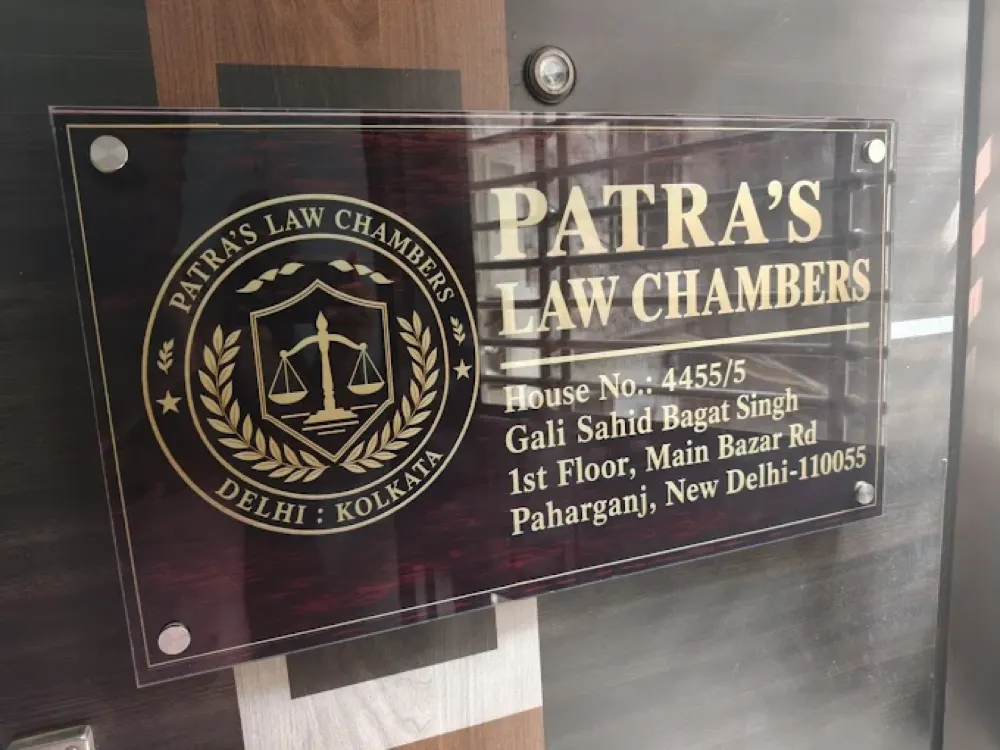
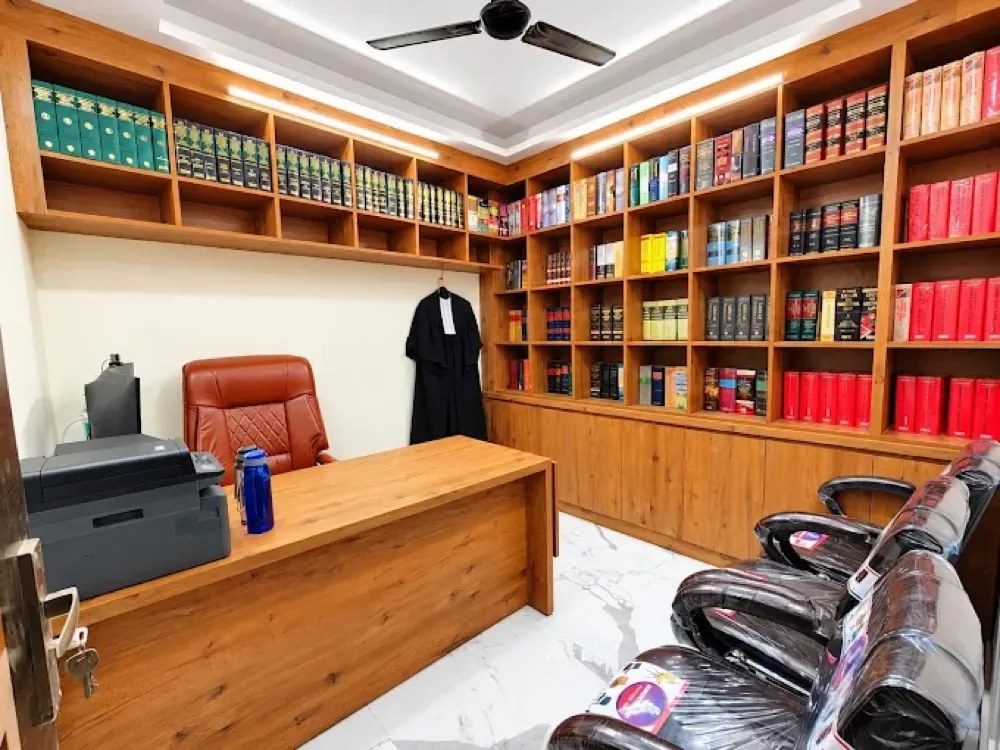

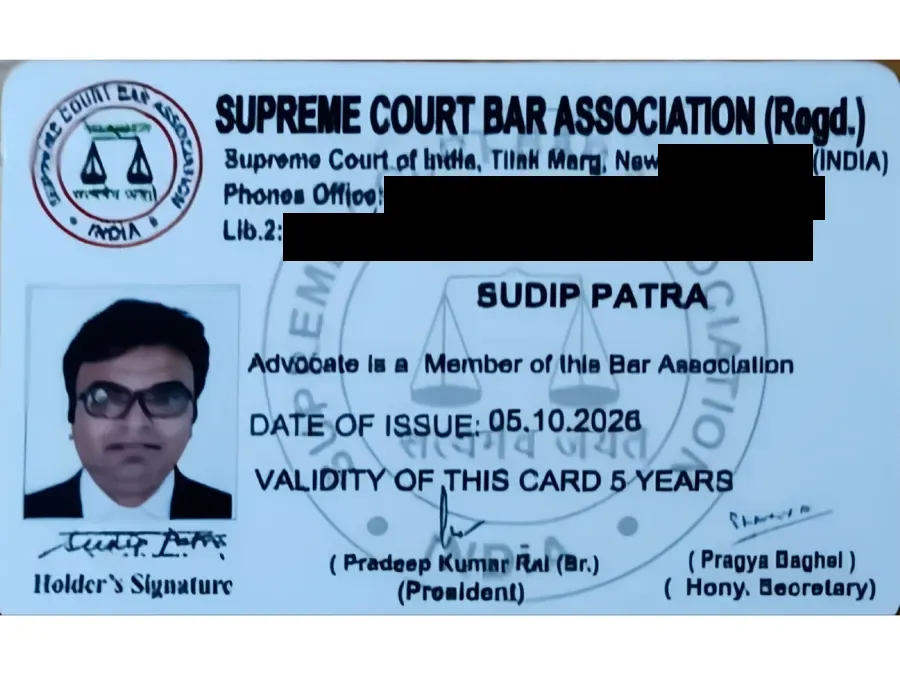
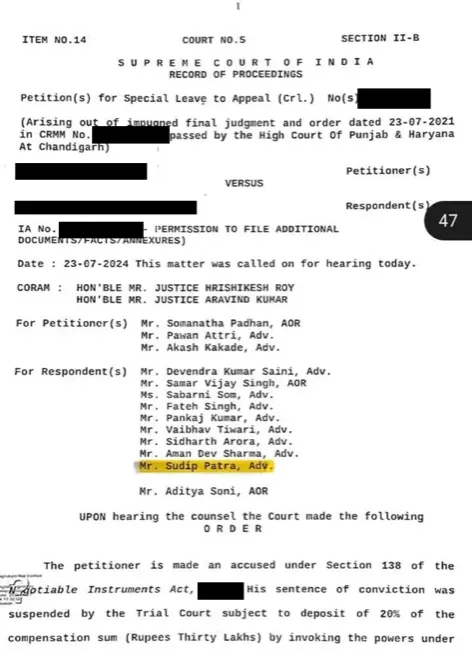
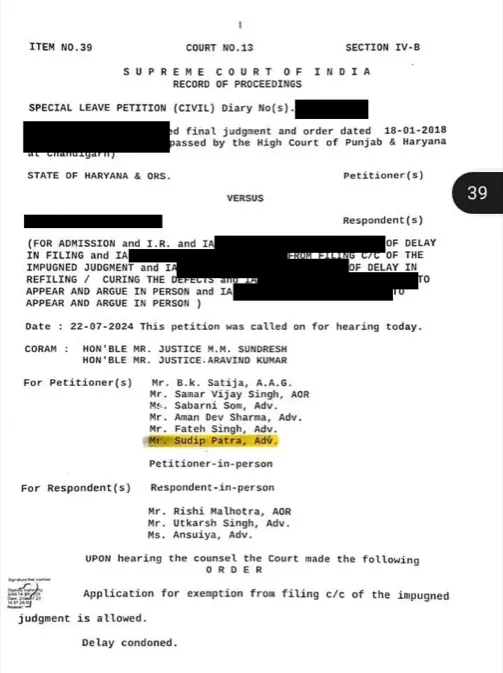
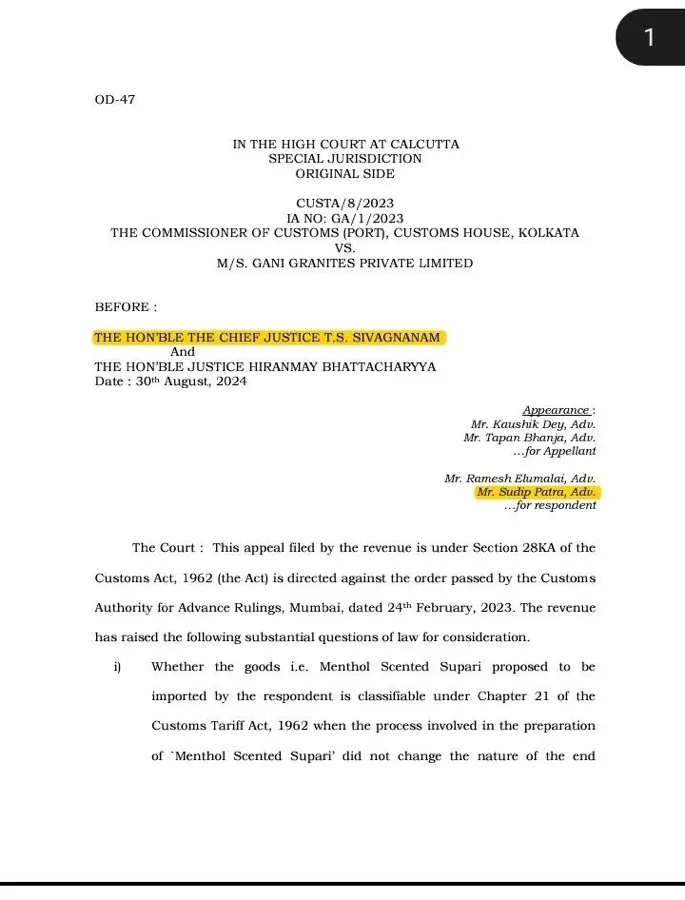
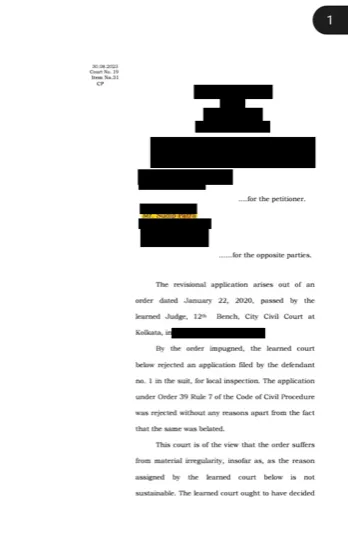
Discuss your Supreme Court matter
If you have a High Court judgment, a tribunal order or a bail refusal that you wish to take to the Supreme Court, bring the certified copy and the main papers to the consultation. Limitation runs from the date of the order, so please do not wait. The advocate will read the record, explain the options and the likely steps, and discuss professional fees in writing before any engagement. No outcome can be promised. Our offices are in Delhi and Kolkata, and papers can be shared digitally.
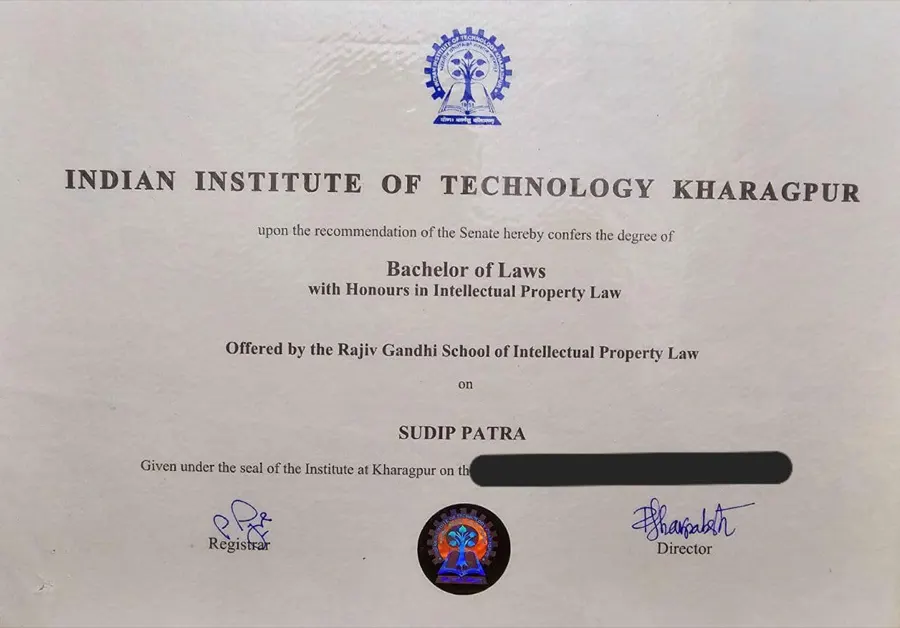
Book a ConsultationEstablished by a distinguished alumnus of IIT Kharagpur, Patra’s Law Chambers stands as a beacon of legal expertise in Kolkata & Delhi. Know more →

Kolkata Office
NICCO House, 6th Floor, 2 Hare Street
Kolkata-700001 (Near Calcutta High Court)
Delhi Office
4455/5, First Floor, Gali Shahid Bhagat Singh
Main Bazar Road, Paharganj, New Delhi-110055
Contact
[email protected]
+91 890 222 4444 / +91 7003 715 325
Frequently asked questions about a Supreme Court advocate, SLP and writ petitions
An Advocate-on-Record (AOR) is an advocate who has passed the Supreme Court’s AOR examination and is entitled to file and act for a party. Under the Supreme Court Rules, 2013, petitions are filed through an AOR. Please confirm which AOR will file your matter.
An SLP asks the Supreme Court for permission to appeal against a judgment or order of a High Court or tribunal. The Court may grant or refuse leave. If it grants leave, the matter proceeds as an appeal and is heard on merits.
Under the Supreme Court Rules, 2013, an SLP against a High Court judgment is generally filed within 90 days. Delay may be condoned on sufficient cause shown by application. Please verify how the period runs for your order.
Usually the certified copy of the impugned judgment, the orders of the courts below, the main pleadings and evidence relied on, true translations of any document not in English, a vakalatnama in favour of the Advocate-on-Record and a supporting affidavit. The exact list follows the Registry’s checklist, so please verify before filing.
Article 32 is available only to enforce Fundamental Rights and goes to the Supreme Court. Article 226 lets a High Court issue writs for Fundamental Rights and for any other legal right. Many matters are better started in the High Court, and the Supreme Court may ask the petitioner to go there first.
If the Court dismisses the SLP by a detailed, reasoned order, that order may declare the law under Article 141. If it is dismissed in limine without reasons, the High Court judgment does not merge into it (Kunhayammed v. State of Kerala, (2000) 6 SCC 359). Remedies depend on the type of order, so please have it read.
Yes, urgent matters such as arrest, eviction or demolition can be mentioned for early listing under the procedure the Court follows at the time. The Court decides whether the urgency is real, so the papers must show it clearly. Please verify the current mentioning circulars on the Court’s website.
Court fees depend on the type of petition, and professional fees depend on the nature and complexity of the matter, the paper volume and the stage. No outcome is promised. Please discuss fees in writing with the advocate before engaging.