Criminal Lawyer in Kolkata for Bail, FIR and Criminal Defence
Advocate Sudip Patra appears for accused persons and complainants in criminal matters before the Calcutta High Court, the City Sessions Court, Bankshall, Alipore, Barasat, Howrah, Sealdah, Bidhannagar, Baruipur and Barrackpore. This page explains bail, anticipatory bail, quashing and cheque bounce cases in plain English.
Understanding your criminal case in Kolkata
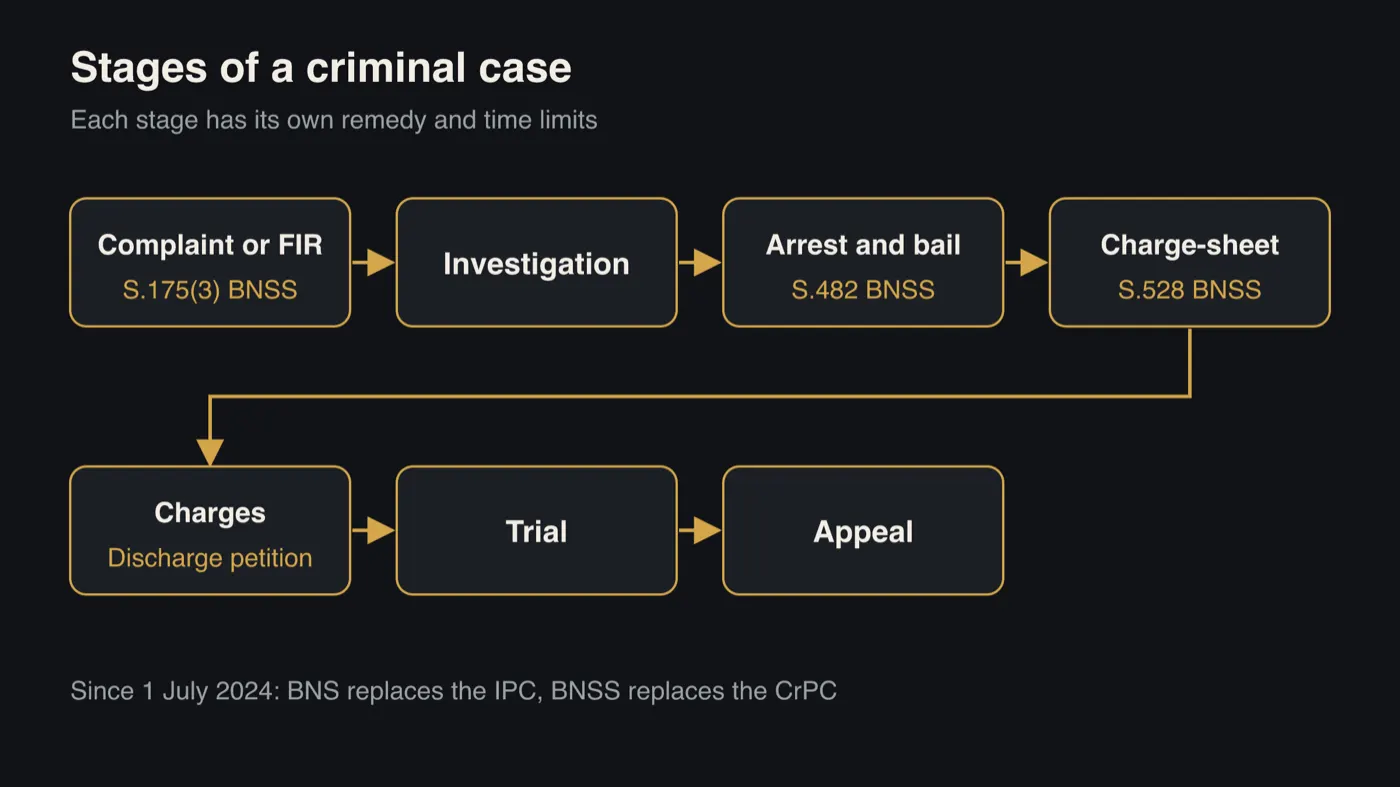
A criminal case moves through fixed stages: complaint or FIR, investigation, arrest and bail, charge-sheet, charges, trial and appeal. Each stage has its own remedy and its own time limits. Since 1 July 2024 the Bharatiya Nyaya Sanhita, 2023 (BNS) has replaced the IPC, and the Bharatiya Nagarik Suraksha Sanhita, 2023 (BNSS) has replaced the CrPC, so a case filed after that date is read under the new Acts. You can read the official text of these laws on India Code.
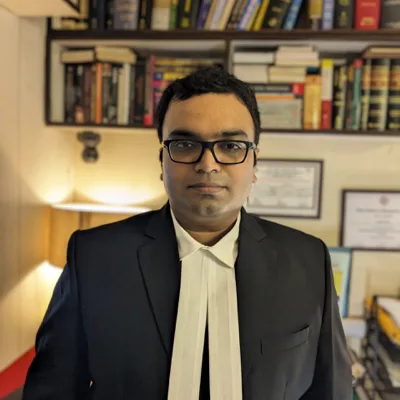
Patra’s Law Chambers is led by Advocate Sudip Patra, who has practised for more than 10 years and appears before the Calcutta High Court and the district courts around Kolkata. We handle bail, anticipatory bail, discharge, quashing of FIRs, protest petitions, bail cancellation and cheque bounce cases. Every matter turns on its own facts, so please treat this page as general information and verify your position with an advocate before acting. Our chambers are at Nicco House, 2 Hare Street, near the Calcutta High Court.
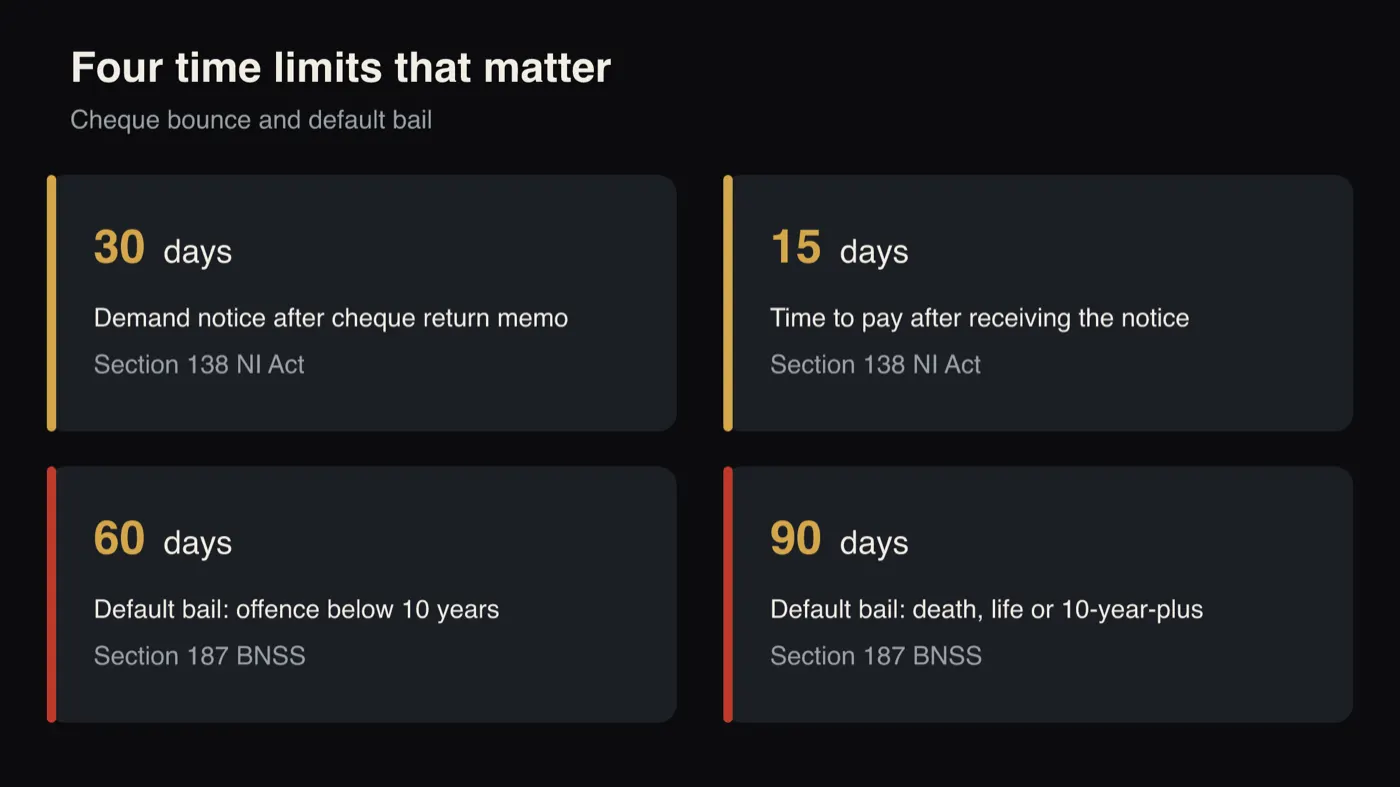
Four periods that decide cheque bounce and bail matters
These periods are strict, so counting from the correct date is essential.
Chambers, courts and credentials
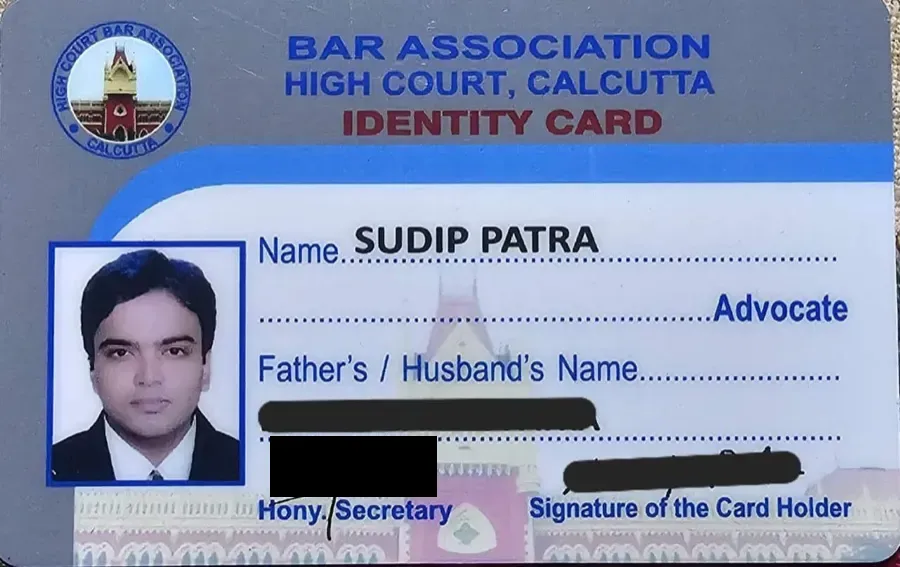
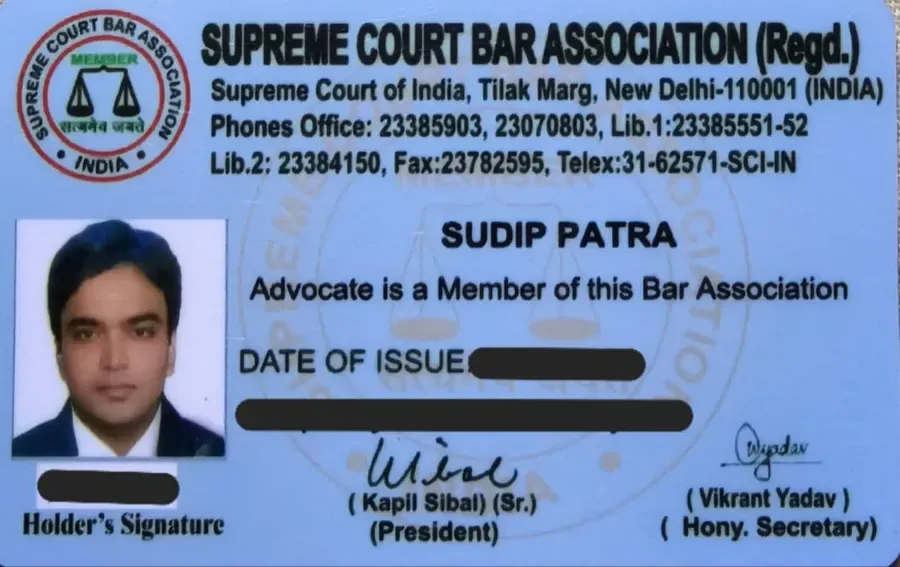
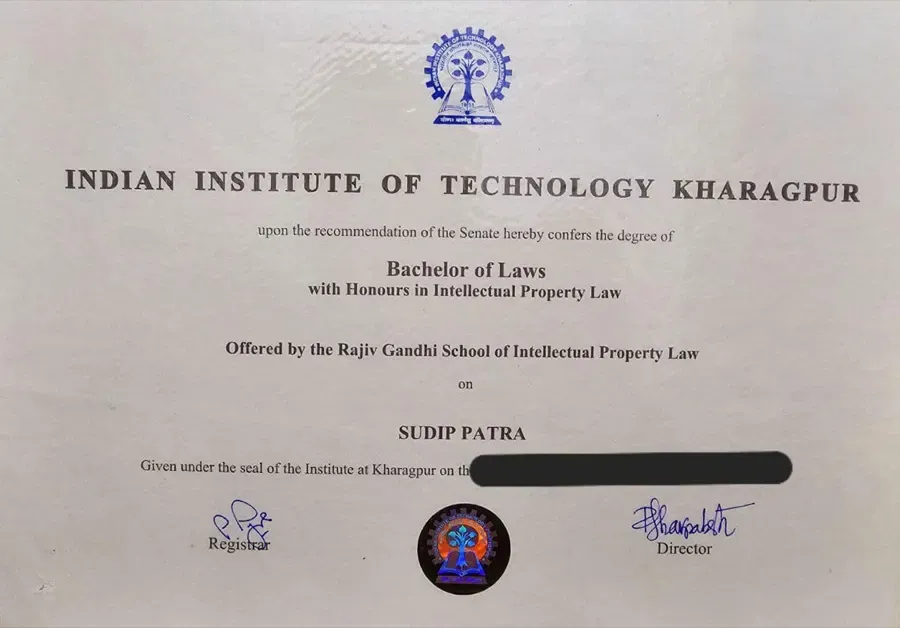
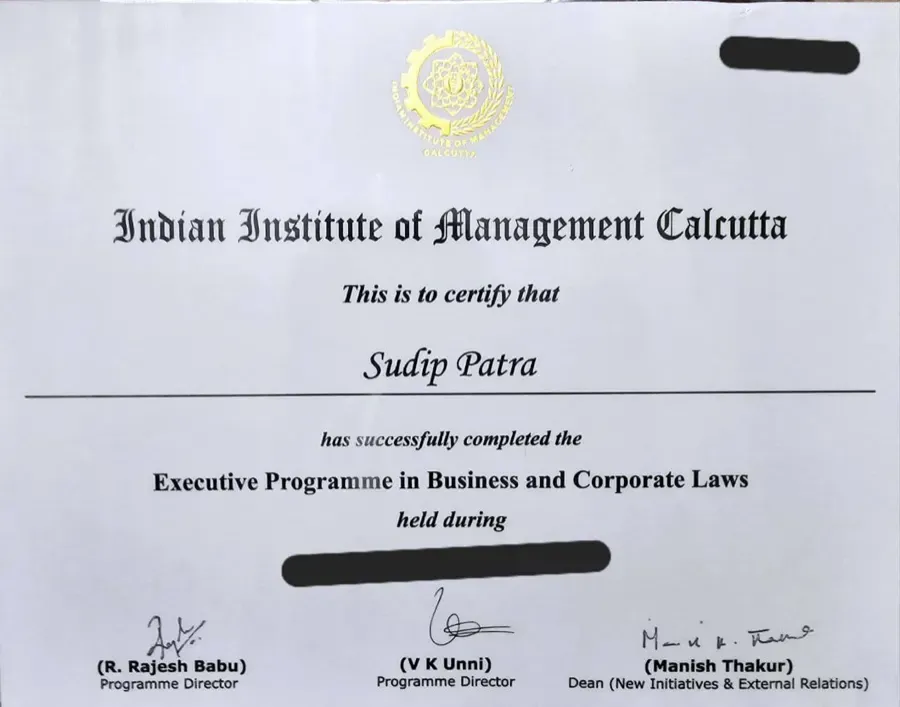
Bar identity cards and degree certificates of Advocate Sudip Patra.
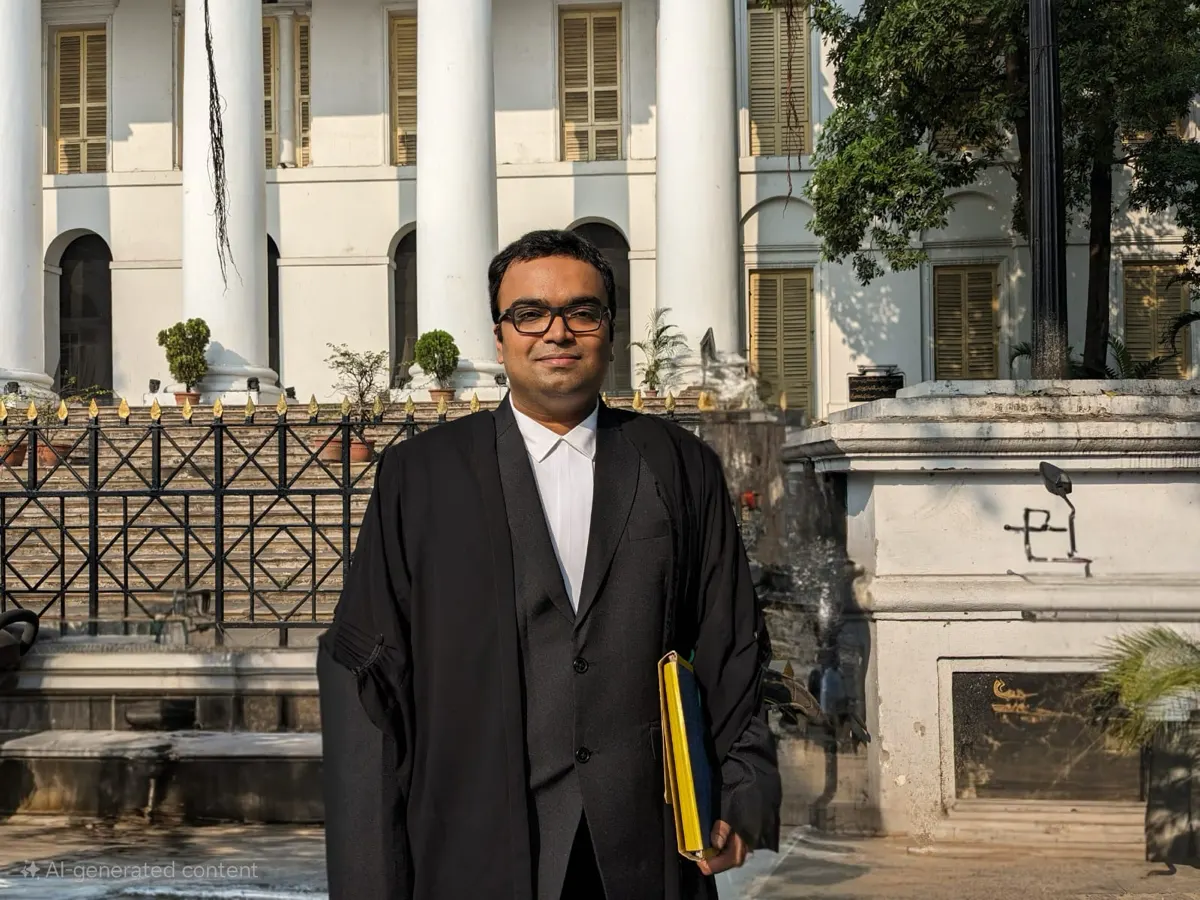

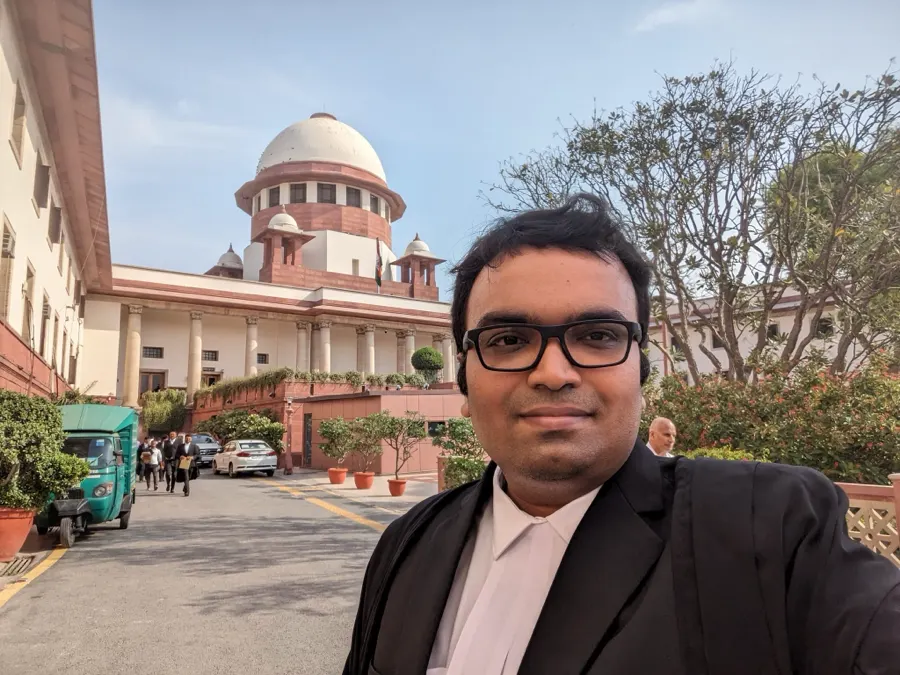
At the courts where criminal matters are heard.
Short explainers from Adv. Sudip Patra
What is the latest development in your criminal matter?
Pick the option closest to your situation to see the forum and the usual remedy. This is general information, not advice on your facts, so please verify the position for your own case with an advocate.
Choose one of the options above.

How a criminal case moves in Kolkata courts
The stages below are the usual path from complaint to appeal. Every case differs, so treat this as a map and not a forecast.
A cognizable offence is recorded in an FIR under Section 173 BNSS. If the police do not act, the Magistrate can be approached under Section 175(3) BNSS. Early, careful drafting of the complaint matters.
An arrested person must be produced before a Magistrate within 24 hours, excluding travel time. Where arrest is feared, anticipatory bail can be sought before it happens; after arrest, regular bail is the route.
The police investigate and file a report under Section 193 BNSS. If it is not filed within 60 or 90 days of remand, depending on the offence, the accused may claim default bail under Section 187(3) BNSS.
The court examines whether there are grounds to proceed. A discharge application can be filed at this stage, and in a suitable case a petition to quash the proceedings can be taken to the High Court.
Prosecution evidence, the accused’s statement and defence evidence follow, then final arguments. Cheque dishonour complaints under Section 138 of the Negotiable Instruments Act run on a similar track; see our cheque bounce lawyer page.
A conviction or acquittal can be challenged in the appellate court, and some orders by revision. Matters can go to the Calcutta High Court and, in suitable cases, the Supreme Court.

Three points people often miss: tap a card
An arrested person must be produced before a Magistrate within 24 hours, excluding journey time. Police cannot keep someone longer without the Magistrate’s order.
If the charge-sheet is not filed within 60 or 90 days, as applicable, the accused who is ready to furnish bail can claim default bail under Section 187(3) BNSS. It must be claimed before the charge-sheet is filed.
The High Court under Section 528 BNSS does not weigh evidence like a trial court. It steps in where, even on the face of the allegations, no offence is made out or the process is abused.
Criminal law services we handle in Kolkata
Anticipatory bail
If you fear arrest in a non-bailable offence, a pre-arrest bail application can be moved before the Sessions Court or the Calcutta High Court. We prepare the facts, the background and the grounds. Read more on our FIR and anticipatory bail page.
Regular bail and default bail
After arrest, bail is sought before the Magistrate, the Sessions Court or the High Court depending on the offence. We also track the charge-sheet period under Section 187 BNSS (earlier Section 167 CrPC) so that default bail is claimed in time where the law allows it.
Quashing of FIR and charge-sheet
Where a case is an abuse of the process of court, the High Court’s inherent power can be invoked to quash it. See our guide on quashing of criminal cases in the Calcutta High Court.
Cheque bounce cases
We draft and reply to demand notices and appear for complainants and accused in dishonour cases. The notice and complaint time limits are strict, so early advice matters. See our cheque bounce lawyer page.
Also handled by the chambers
- FIR assistance and applications under Section 175(3) BNSS (earlier Section 156(3) CrPC) where the police do not act
- Discharge petitions before trial on the ground that no prima facie case is made out
- Protest petitions against a police closure report, for complainants
- Bail cancellation applications and defence against them
- Defence in false accusation cases, including matrimonial cases; see our note on Supreme Court judgments in Section 498A cases
- Criminal matters before the Calcutta High Court
Supreme Court rulings a criminal lawyer in Kolkata relies on
These decisions govern arrest, FIR registration, bail and quashing in every Kolkata court, from Bankshall and Alipore to the Calcutta High Court. The CrPC sections they interpret now have matching sections in the Bharatiya Nagarik Suraksha Sanhita, 2023 (BNSS).
2014
No routine arrest for offences up to seven years
Police must not arrest by reflex where the offence carries up to seven years’ imprisonment. They have to record reasons that justify the arrest, and where arrest is not needed they must issue a notice of appearance under Section 41A CrPC, now Section 35(3) BNSS. A Magistrate must check those reasons before authorising detention. Officers who disobey can face departmental action and contempt.
2014
FIR registration is mandatory for cognizable offences
A Constitution Bench held that police must register an FIR when the information discloses a cognizable offence. A preliminary inquiry is allowed only to find out whether such an offence is disclosed at all. Registering an FIR does not mean the accused must be arrested. Section 173 BNSS now carries this duty, and Section 175(3) BNSS covers the remedy before the Magistrate.
2020
Anticipatory bail need not carry a time limit
A Constitution Bench held that protection under Section 438 CrPC, now Section 482 BNSS, is not limited to a fixed period by default. It can continue until the trial ends unless the court records special reasons to limit it. Filing of the charge-sheet or issue of summons does not end it automatically. The court can still impose conditions to suit the facts.
2022
Bail is the rule, jail the exception
The Supreme Court grouped offences into categories and directed trial courts and High Courts to follow bail guidelines. This matters most for an accused who was not arrested during investigation and who cooperated with it. The Court restated that arrests without need, and denial of bail at the charge-sheet stage, offend personal liberty. Courts must decide bail applications promptly.
2020
Default bail right cannot be defeated later
Once the 60 or 90 day period under Section 167(2) CrPC, now Section 187(3) BNSS, ends without a charge-sheet and the accused applies for bail and offers to furnish it, the right is enforceable. The prosecution cannot defeat it by filing a charge-sheet or an extension request afterwards. The Court also said counsel and the Magistrate should tell the accused about this right.
1992
Categories where criminal proceedings may be quashed
The Court listed illustrative situations where a High Court may quash an FIR or proceedings. Examples include allegations that disclose no offence even if taken at face value, a legal bar on the proceedings, and cases started with malice to harass the accused. The power under Section 482 CrPC, now Section 528 BNSS, must be used sparingly. See quashing in the Calcutta High Court.
How a criminal case moves in Kolkata courts, step by step
FIR or complaint
Police record information about a cognizable offence as an FIR under Section 173 BNSS. If the police station refuses, the informant can approach the Superintendent or Commissioner of Police and then the Magistrate under Section 175(3) BNSS, which replaced Section 156(3) CrPC. You can also file a private complaint before the Magistrate.
Notice, arrest or anticipatory bail
For offences punishable with up to seven years, police should usually issue a notice under Section 35(3) BNSS instead of arresting. A person who fears arrest can apply for anticipatory bail under Section 482 BNSS before the Sessions Court or the Calcutta High Court.
Production, remand and bail
An arrested person must be produced before the nearest Magistrate within 24 hours, not counting travel time. Regular bail is sought under Sections 480 and 483 BNSS. If no charge-sheet is filed within 60 or 90 days, depending on the offence, default bail can be claimed under Section 187(3) BNSS.
Charge-sheet and cognizance
When investigation ends, police file a report under Section 193 BNSS. This is either a charge-sheet or a closure report. The Magistrate decides whether to take cognizance. A complainant who disagrees with a closure report can file a protest petition.
Discharge, framing of charge or quashing
Before charges are framed, the accused can seek discharge under Section 250 BNSS in sessions cases or Section 262 BNSS in warrant cases. Where the case is an abuse of process, a petition under Section 528 BNSS can be filed in the Calcutta High Court. A Calcutta High Court advocate can advise which remedy fits.
Trial, judgment and appeal
Prosecution witnesses are examined and cross-examined, and electronic records must meet the Bharatiya Sakshya Adhiniyam, 2023. The accused can then lead defence evidence before final arguments. An appeal against a conviction or acquittal lies to the Sessions Court or the High Court, as the law provides.
Anticipatory bail and regular bail compared
Both protect liberty, but they work at different moments in a case.
Mistakes that weaken a criminal defence
Ignoring a police notice Skipping a Section 35(3) BNSS notice without good reason allows the police to seek arrest. Reply in writing and attend with your advocate, or ask in writing for a new date.
Waiting for arrest before seeking legal advice You must apply for anticipatory bail before you are arrested. Once you are in custody, only regular bail is available, and it is usually harder to get.
Missing the default bail window The right to default bail has to be claimed by application before the charge-sheet is filed. Count the days from the first remand order and verify the date with your advocate.
Contacting the complainant or posting about the case Messages to the complainant or witnesses, or posts on social media, can be presented as intimidation. They can lead to refusal or cancellation of bail and may become evidence. In matrimonial cases such as those under Section 85 BNS (formerly 498A IPC), let your lawyer handle all communication.
Speak to the chambers about your criminal matter
If you or a family member is facing an FIR, an arrest, a charge-sheet or a bounced cheque, early legal advice helps you understand the options and the time limits. Write or call Patra’s Law Chambers with the basic facts and any papers you have. Your matter is treated in confidence, and the advice given will depend on the documents and the stage of the case. No outcome can be promised in any case. Consultations are available from 7.30 p.m. to 10.30 p.m.; please check the current terms when you book.
Book a ConsultationEstablished by a distinguished alumnus of IIT Kharagpur, Patra’s Law Chambers stands as a beacon of legal expertise in Kolkata & Delhi. Know more →
Kolkata Office
NICCO House, 6th Floor, 2 Hare Street
Kolkata-700001 (Near Calcutta High Court)
Delhi Office
4455/5, First Floor, Gali Shahid Bhagat Singh
Main Bazar Road, Paharganj, New Delhi-110055
Contact
[email protected]
+91 890 222 4444 / +91 7003 715 325
Frequently asked questions about criminal law and bail in Kolkata
Anticipatory bail is sought before arrest, when you fear arrest in a non-bailable offence, under Section 482 BNSS. Regular bail is sought after arrest to secure release from custody, under Sections 478, 480 and 483 BNSS. The forum and the grounds differ, so verify which applies.
An application can be made to the Sessions Court or to the Calcutta High Court, both of which have power under Section 482 BNSS. Which forum is suitable depends on the facts, the police station involved and any earlier orders. An advocate can advise after seeing the FIR or complaint.
If the police do not file the charge-sheet within 60 days, or 90 days where the offence carries death, life imprisonment or imprisonment of ten years or more, the accused may claim default bail under Section 187(3) BNSS. The right must be claimed before the charge-sheet is filed.
Give the information in writing, and send it to the Superintendent of Police if the station still refuses. You can then apply to the Magistrate under Section 175(3) BNSS for a direction to register and investigate. A writ before the High Court is possible in suitable cases.
Yes. Under Section 528 BNSS, the Calcutta High Court can quash an FIR or proceedings to prevent abuse of process or secure the ends of justice. It does not do so merely because the accused denies the allegations, so each case turns on its own facts.
The payee must send a written demand notice within 30 days of receiving the bank’s return memo, under Section 138 of the Negotiable Instruments Act, 1881. The drawer then has 15 days to pay. If unpaid, the complaint is to be filed within one month under Section 142.
Note the police station, the time of arrest and the sections mentioned. Ask where the person will be produced and keep copies of any papers. Contact an advocate quickly, as bail may be sought before the Magistrate or the Sessions Court. Do not sign blank papers.
Look at the lawyer’s experience in the court where your case is, how clearly the fee and process are explained, and whether you get honest advice without promises of results. Bar Council rules do not allow guarantees, so be careful of anyone who offers one.