Armed Forces Tribunal (AFT) Advocate in Kolkata for Service and Pension Matters
Patra’s Law Chambers represents serving personnel, veterans and their families before the Armed Forces Tribunal, Regional Bench Kolkata, and the Principal Bench at Delhi. Disability pension, court martial, ACR, discharge and other service grievances are handled from our chamber near the Calcutta High Court.
Advocate for the Armed Forces Tribunal, Kolkata
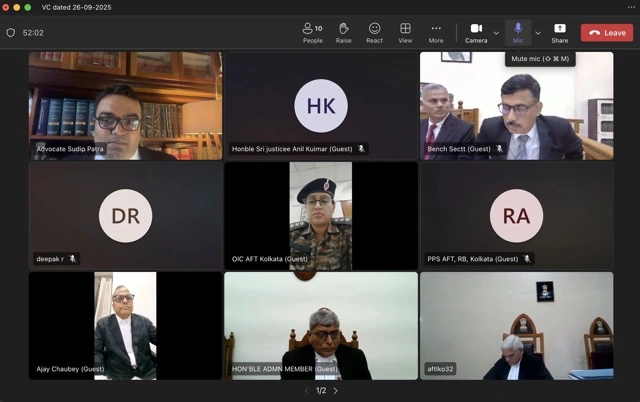
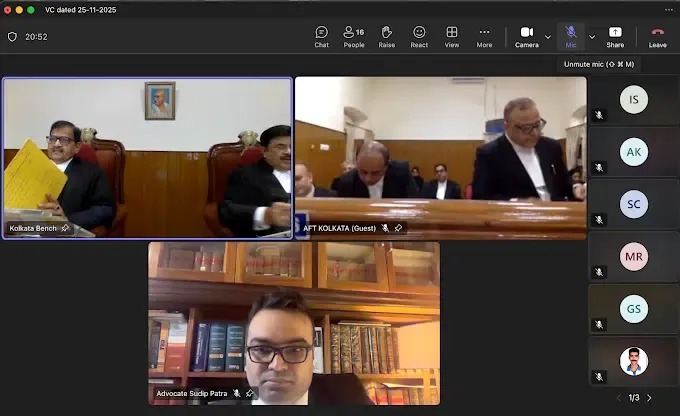
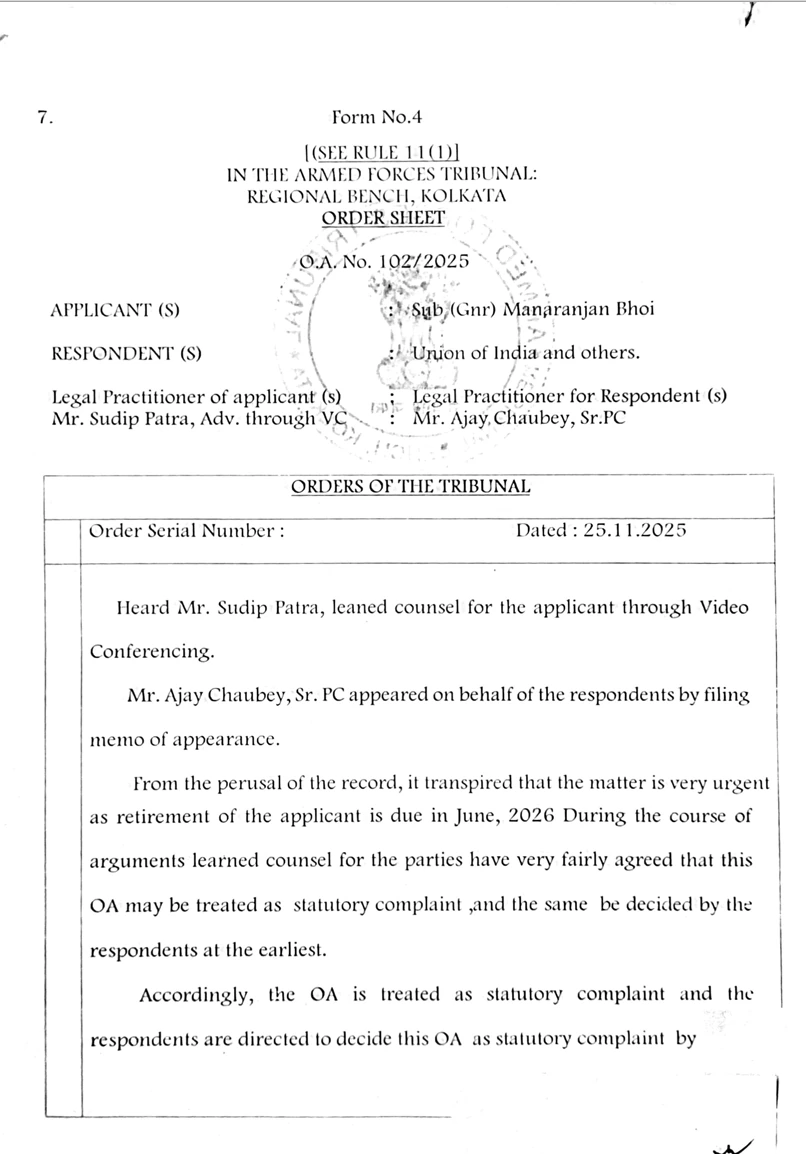
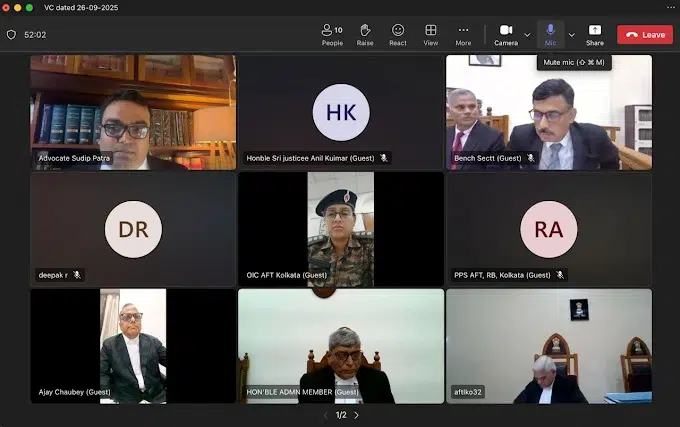
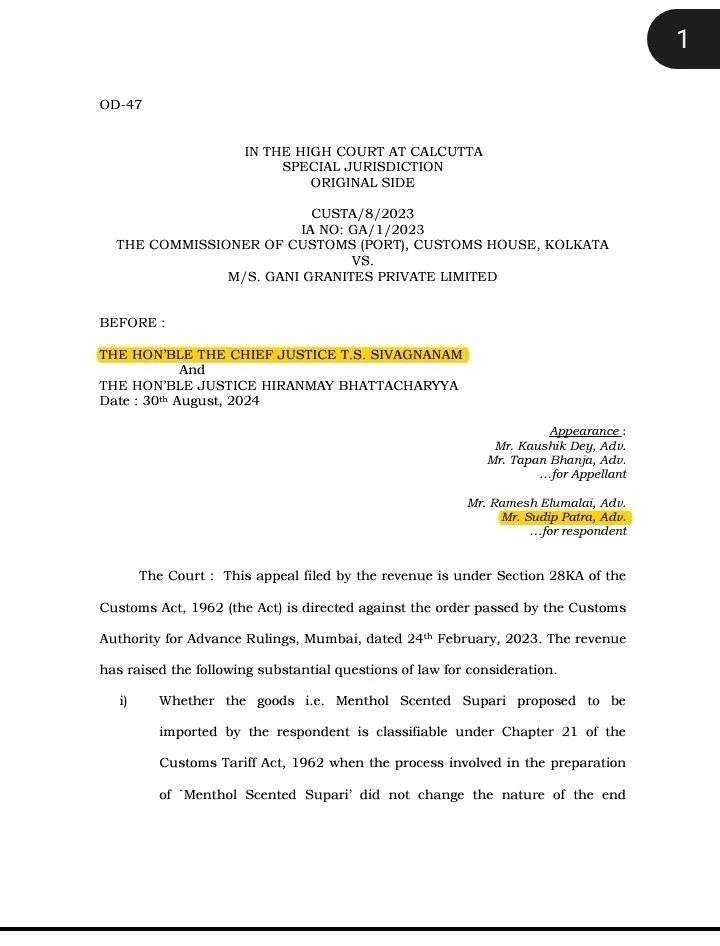
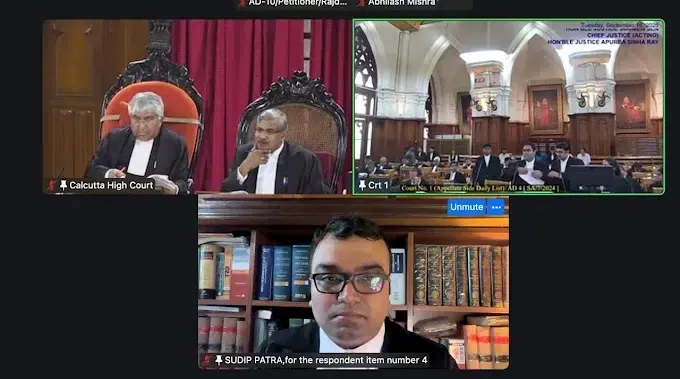
The Armed Forces Tribunal was set up under the Armed Forces Tribunal Act, 2007 to decide disputes about commission, appointment, enrolment and conditions of service of military personnel, and to hear appeals against court martial findings and sentences. The Regional Bench at Kolkata hears matters from the eastern region, and the Principal Bench sits at New Delhi. Many clients search for the Kolkata bench directly, and we appear before it regularly, including through video conferencing.
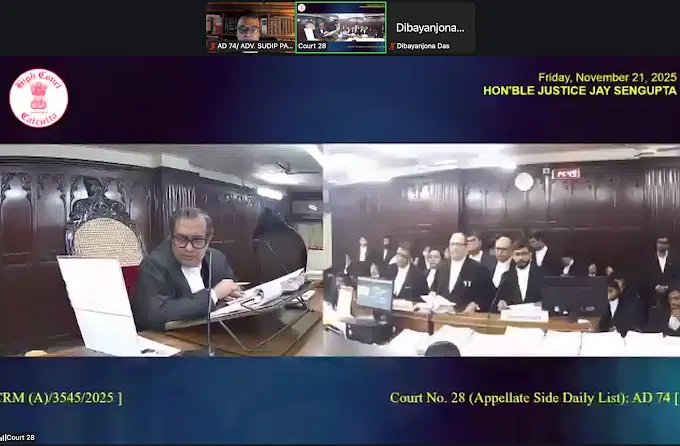
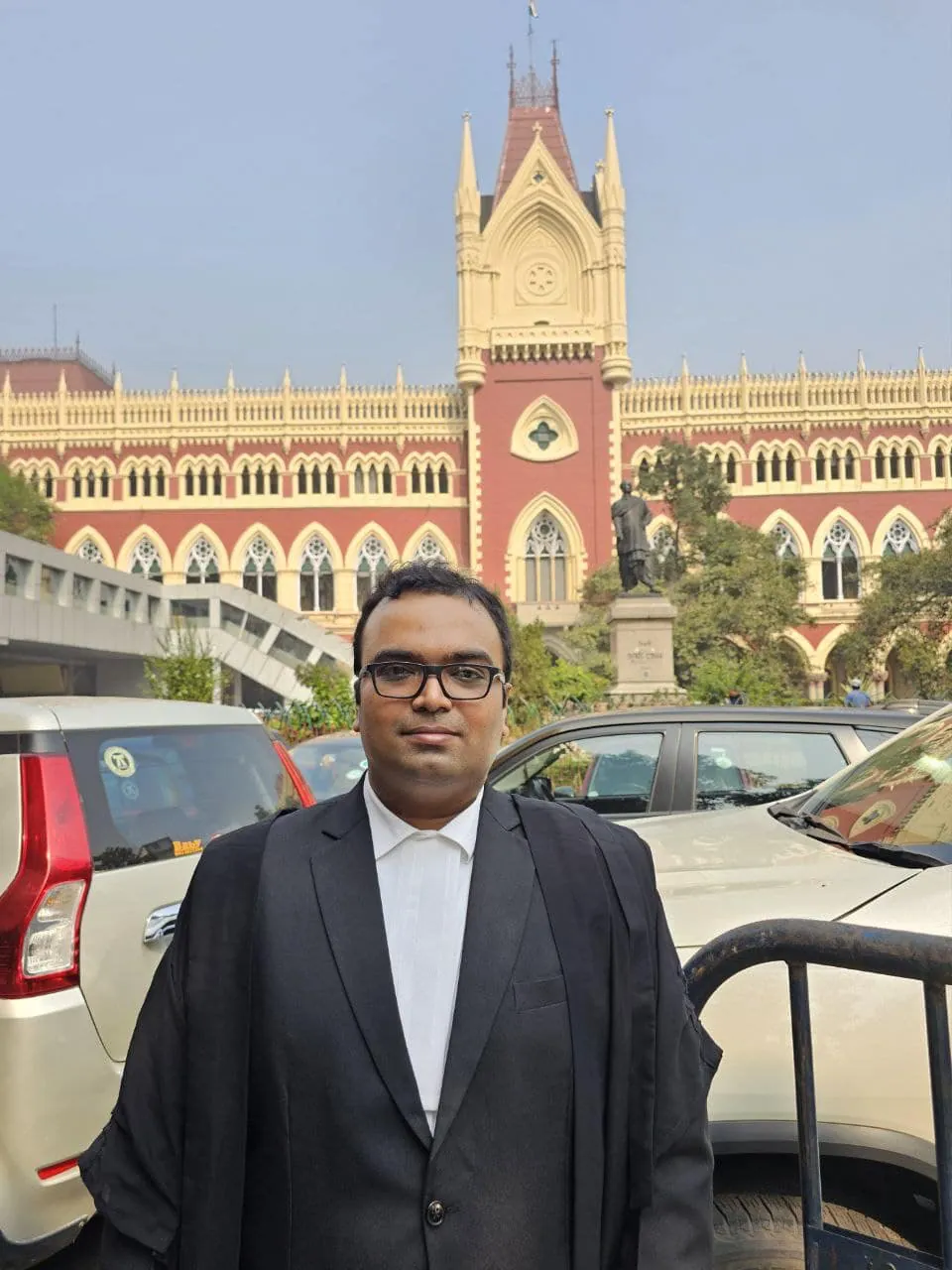
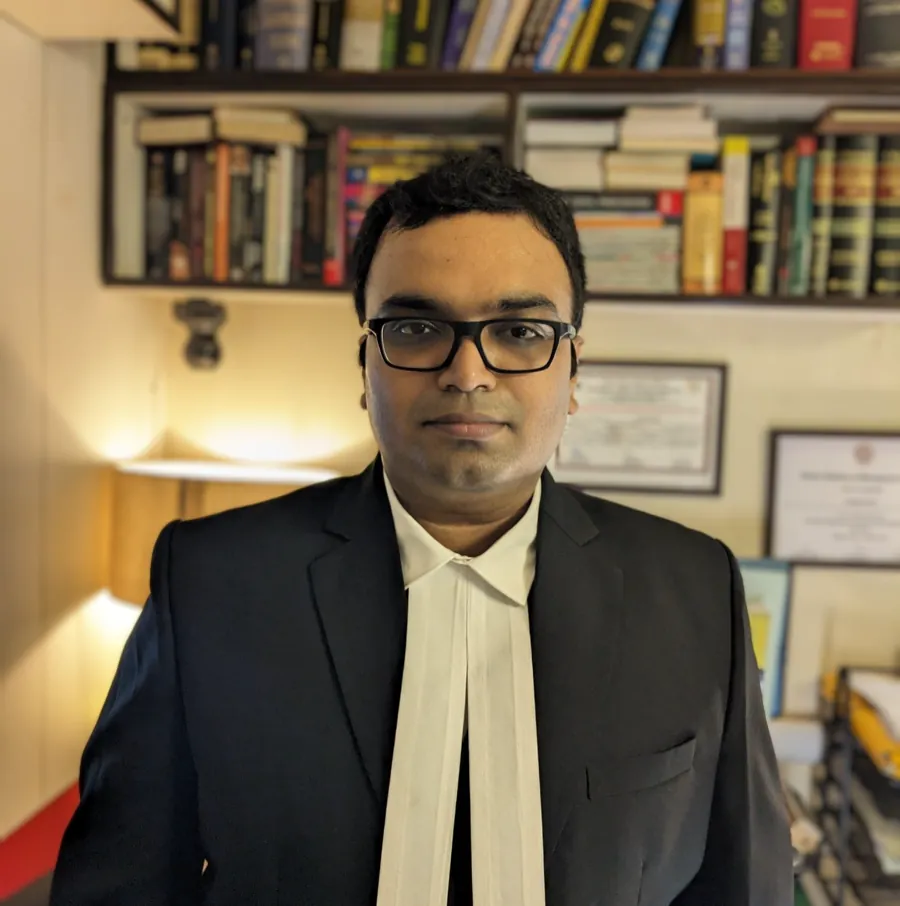
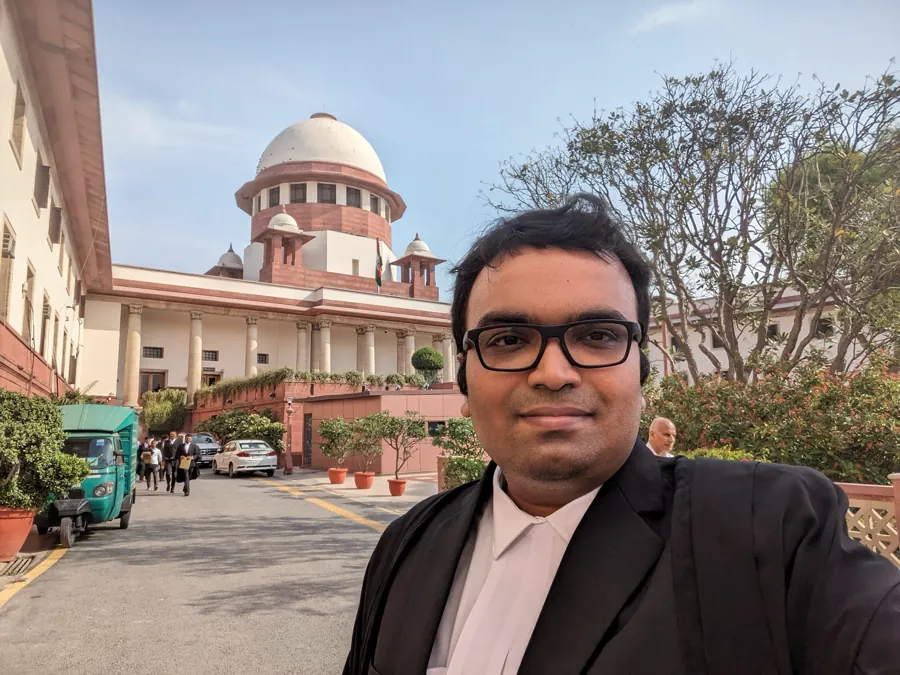
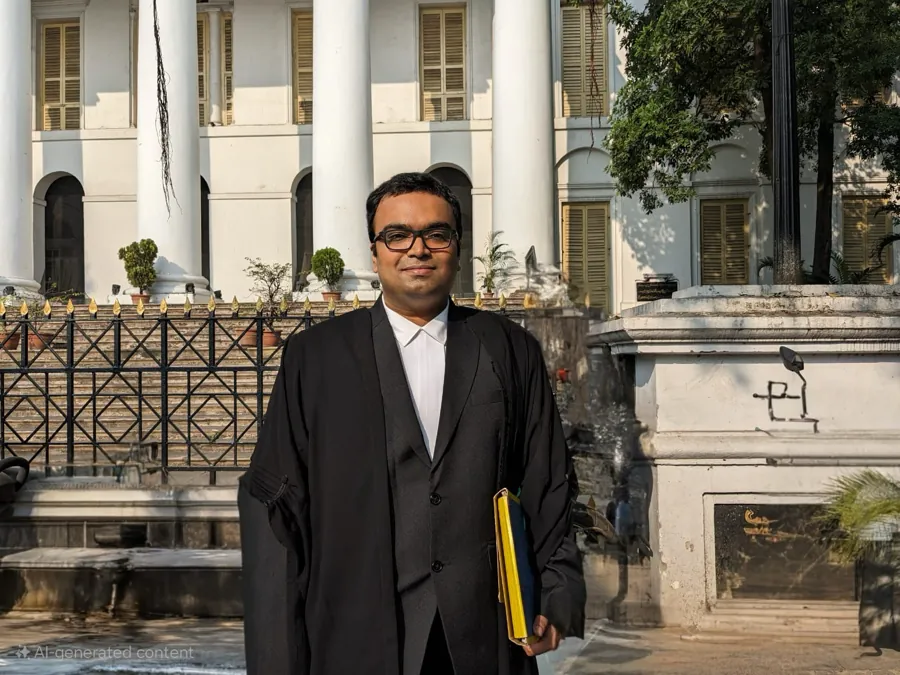
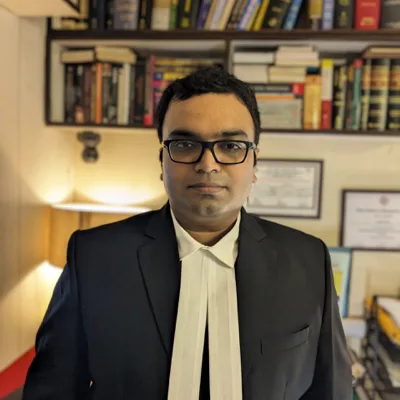
Advocate Sudip Patra (B.Tech, LL.B from IIT Kharagpur, LL.M, P.G.D from IIM Calcutta) practises at the Calcutta High Court and the Supreme Court of India, and leads this practice. Our Kolkata chamber is at Nicco House, Hare Street, near the High Court, and a Delhi office serves the Principal Bench. We work alongside the army’s own judge advocates (JAGs) where a matter needs it, and we can speak with clients in English, Hindi, Bengali, Odia and Assamese. Every matter starts with reading your documents, so please verify dates and keep your service records ready.
Three clocks that matter before the AFT
These periods come from the Armed Forces Tribunal Act, 2007; verify the starting date for your own order.
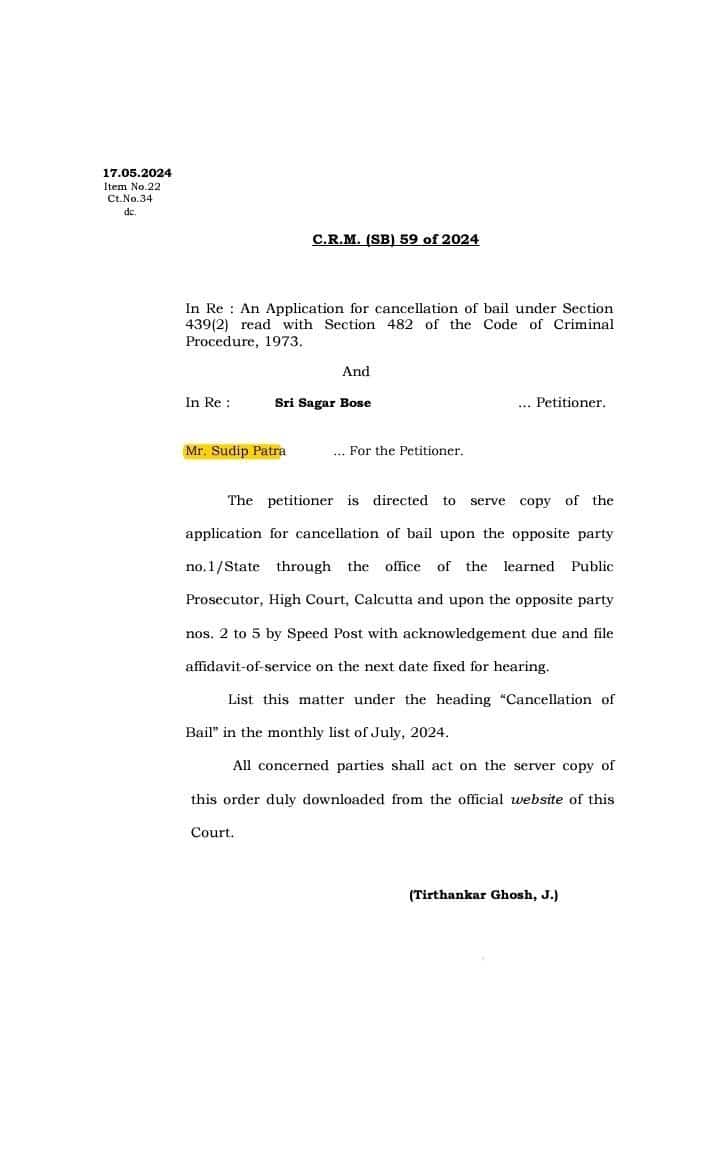
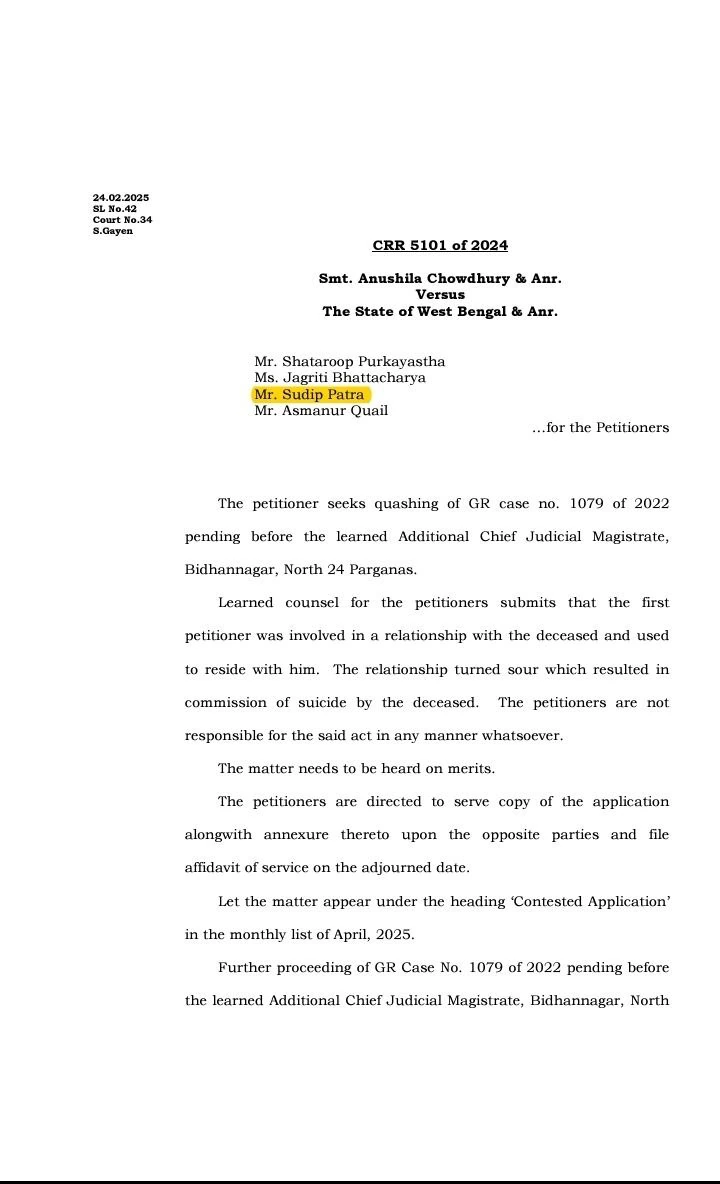
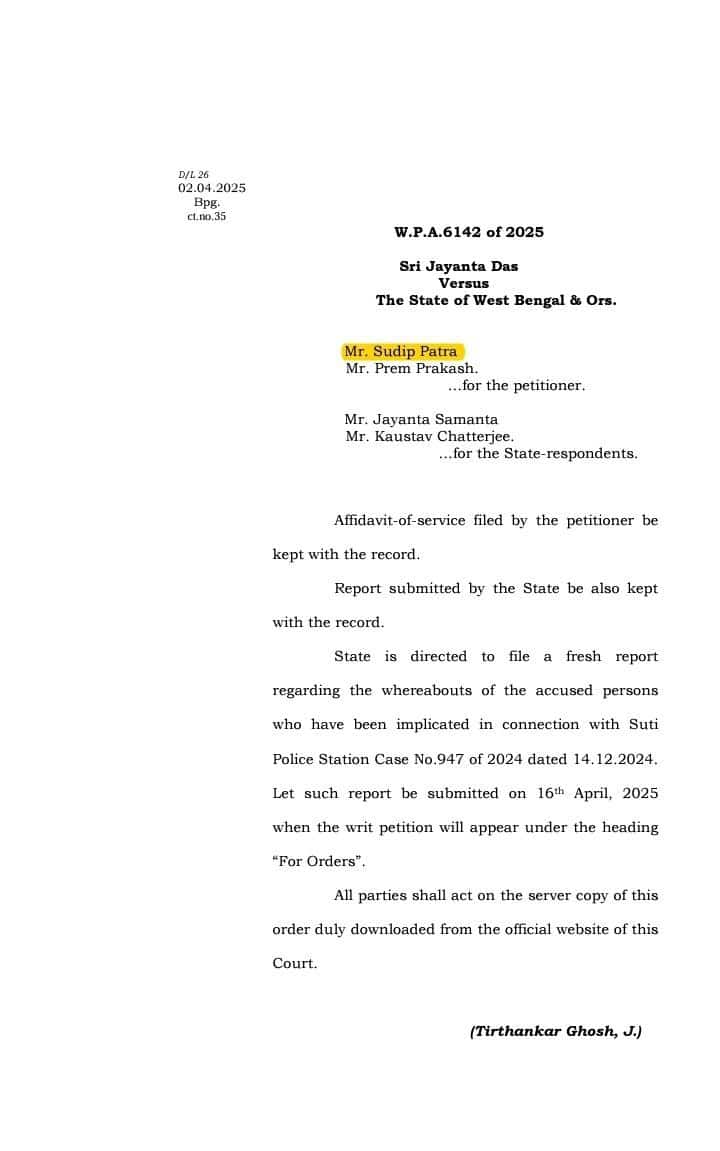
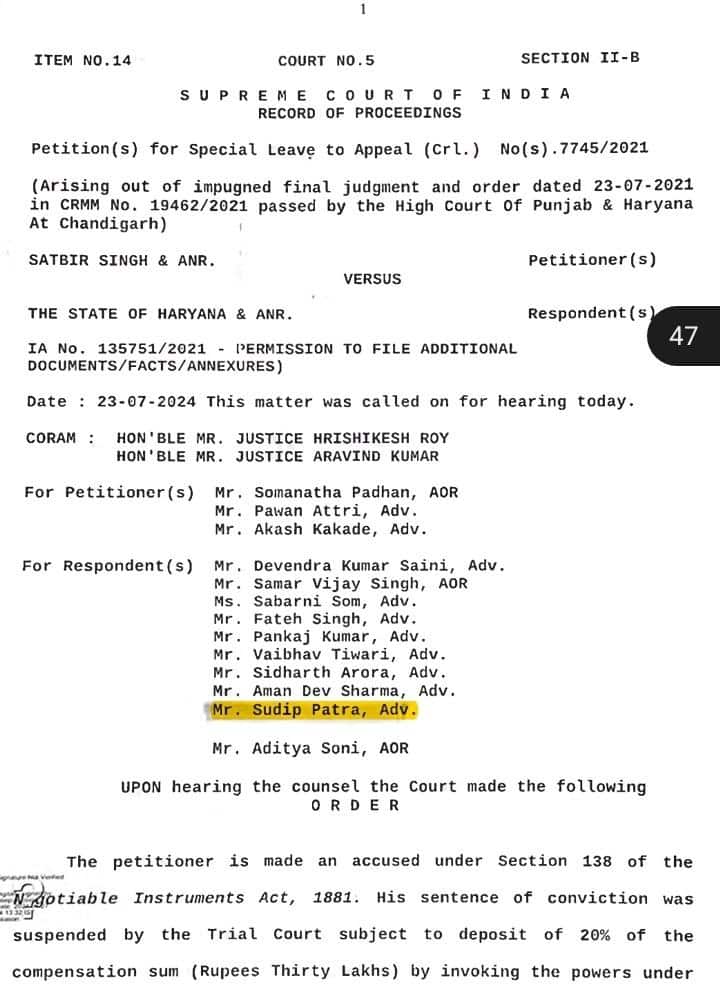
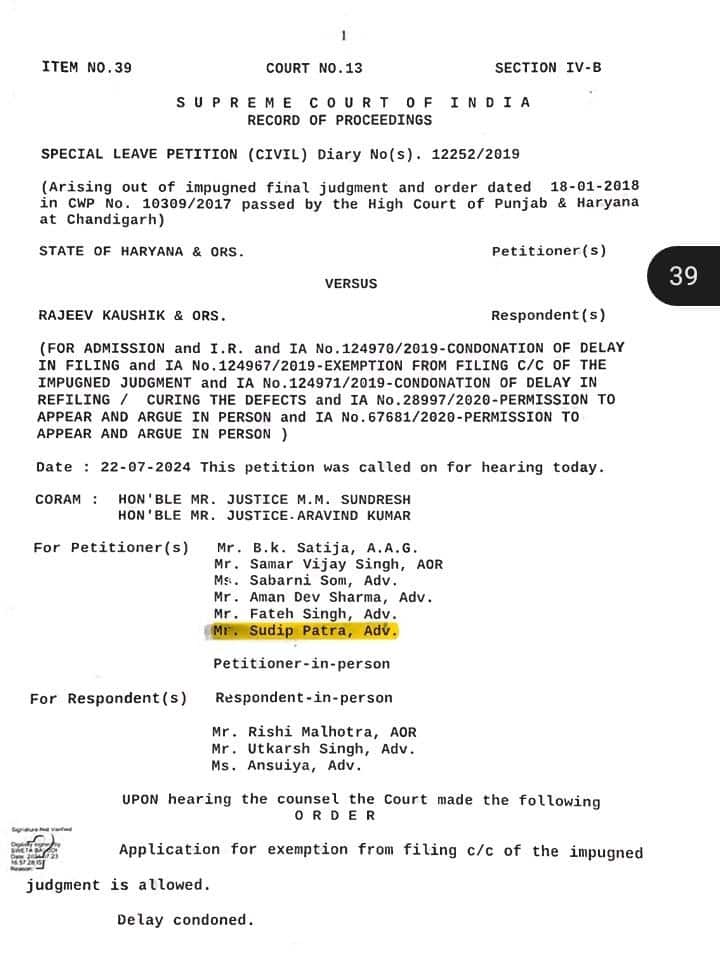
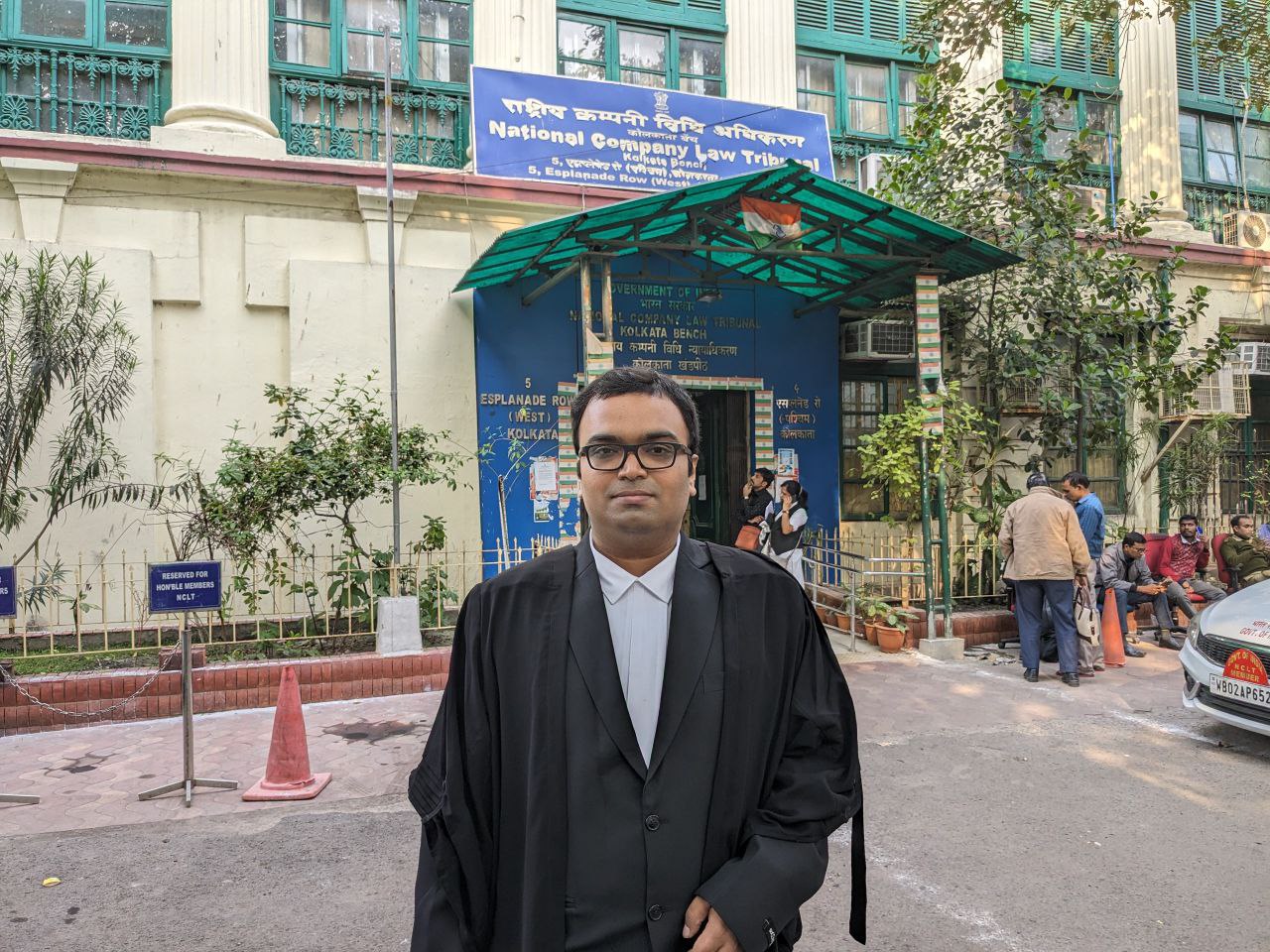
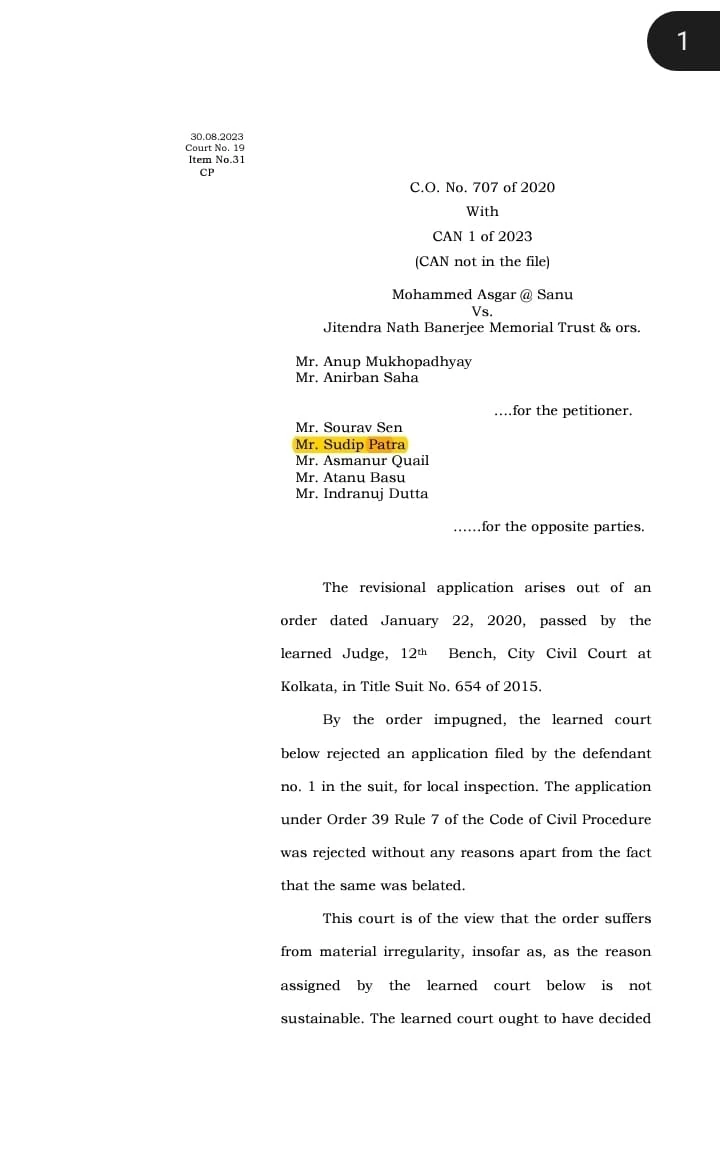
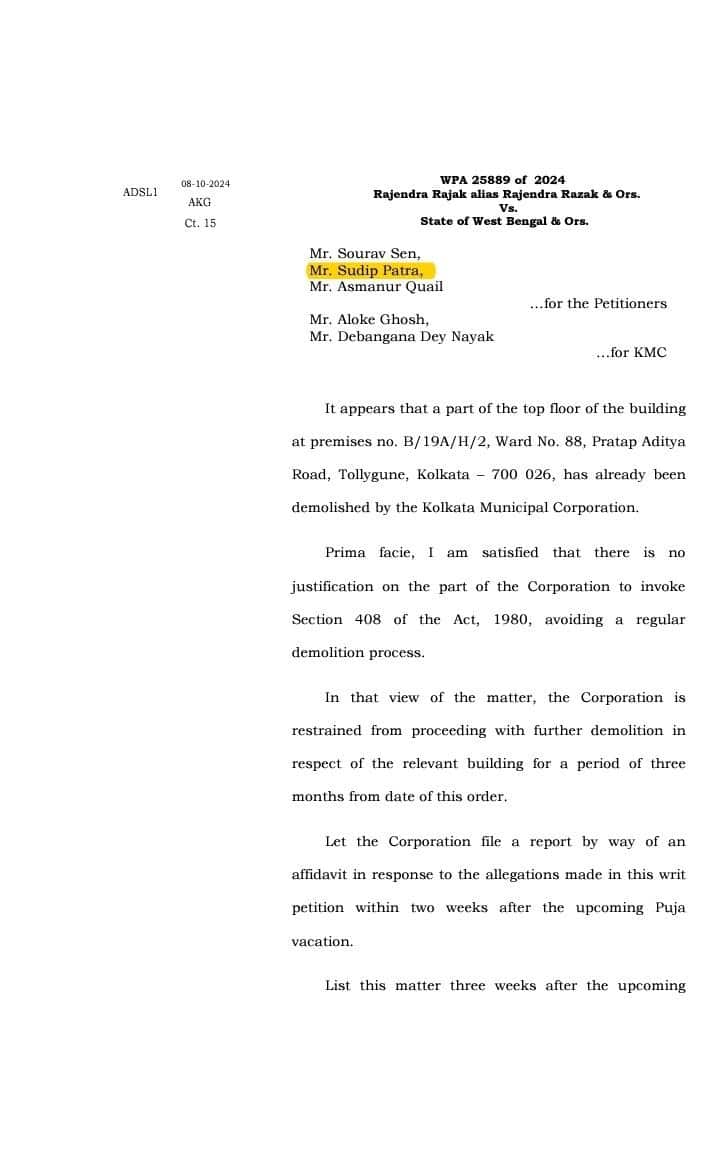
From our practice
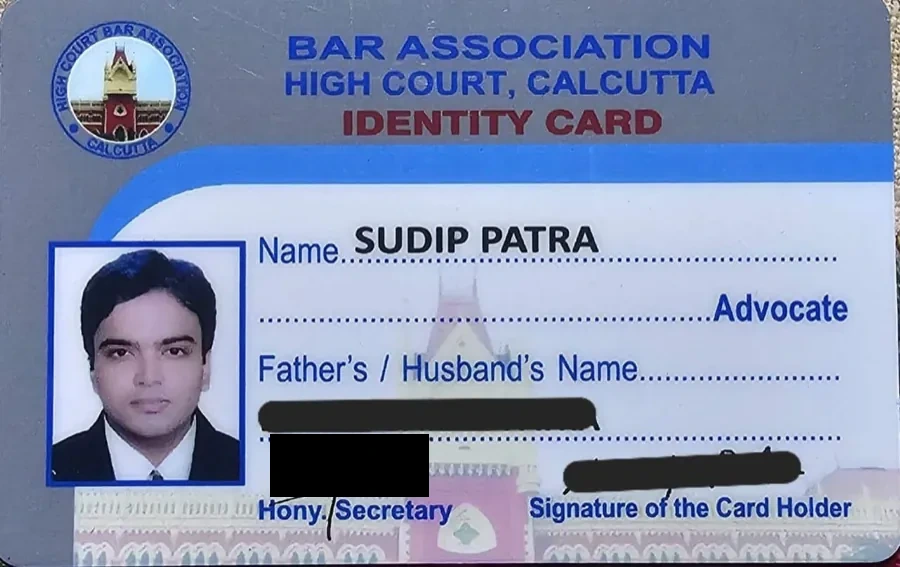
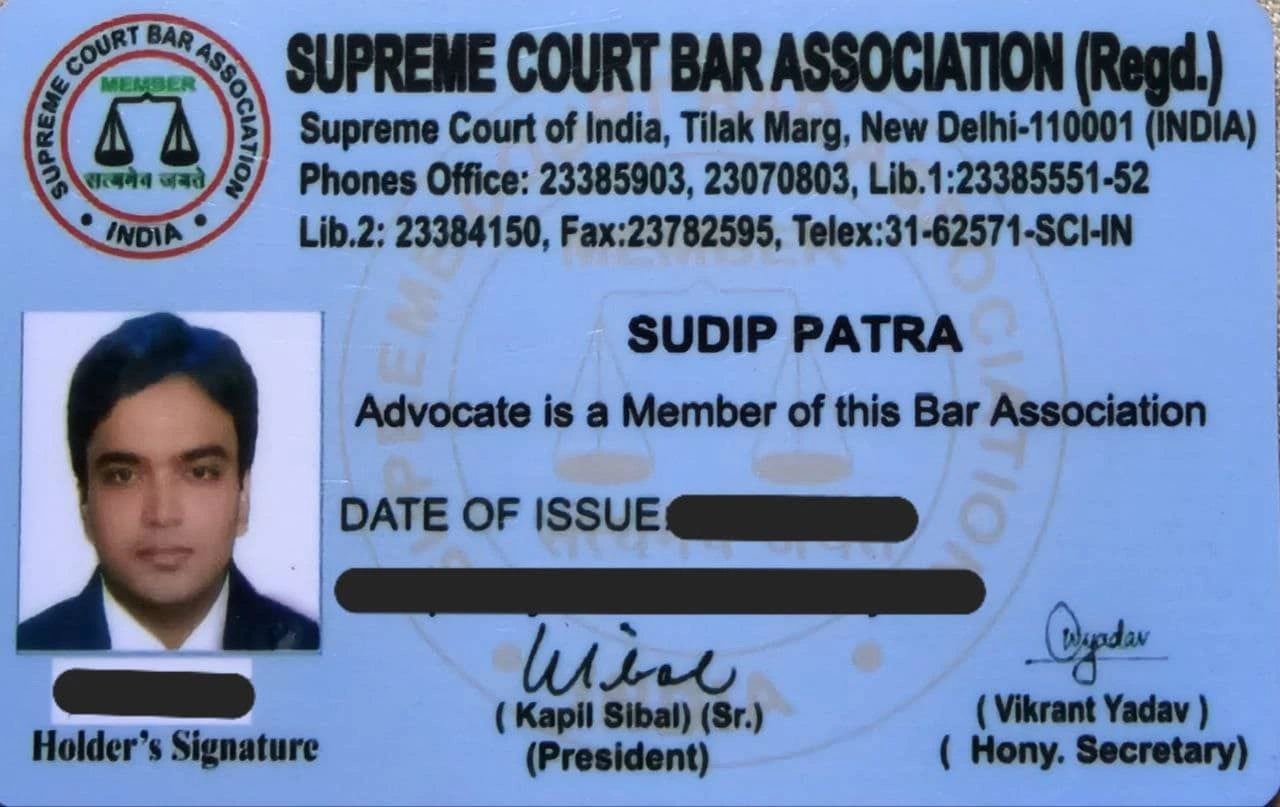
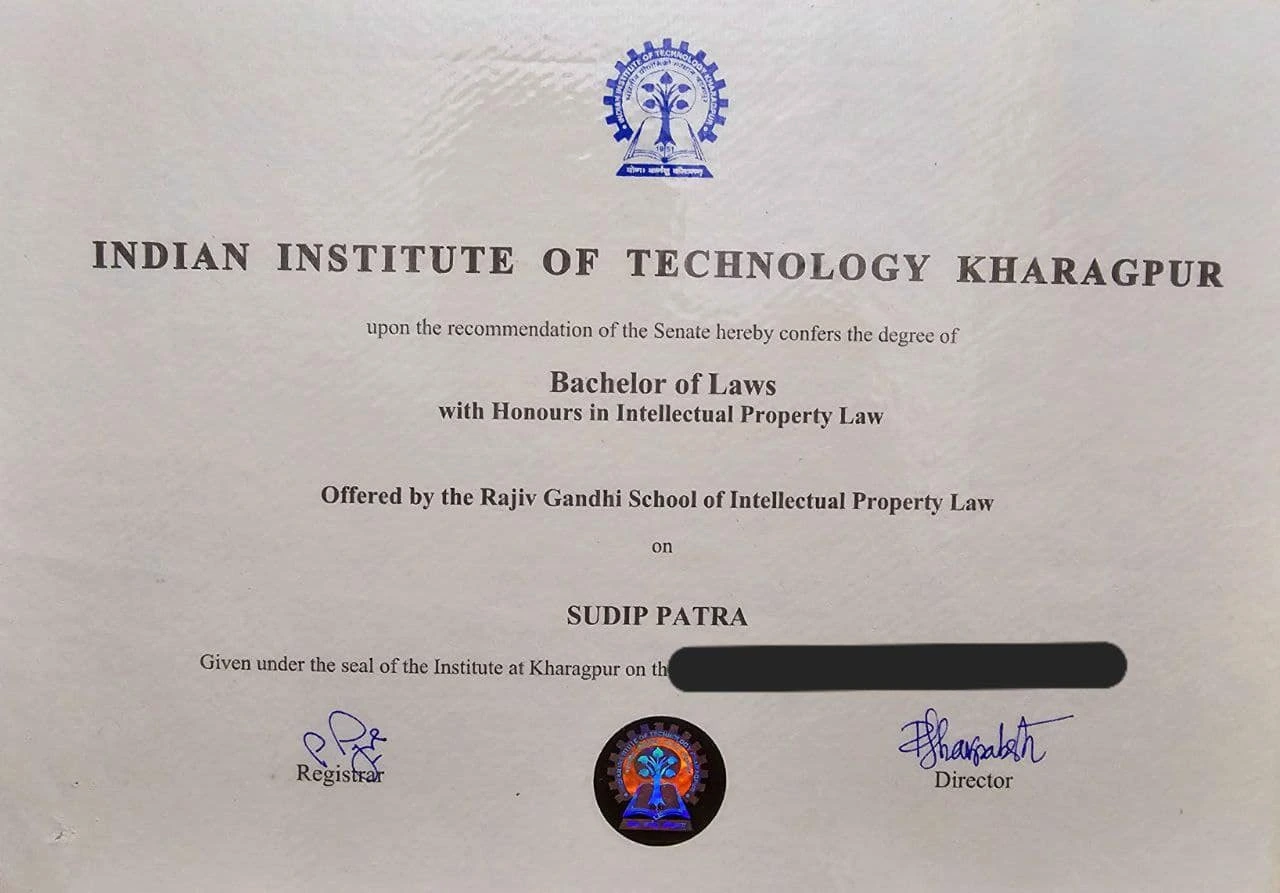
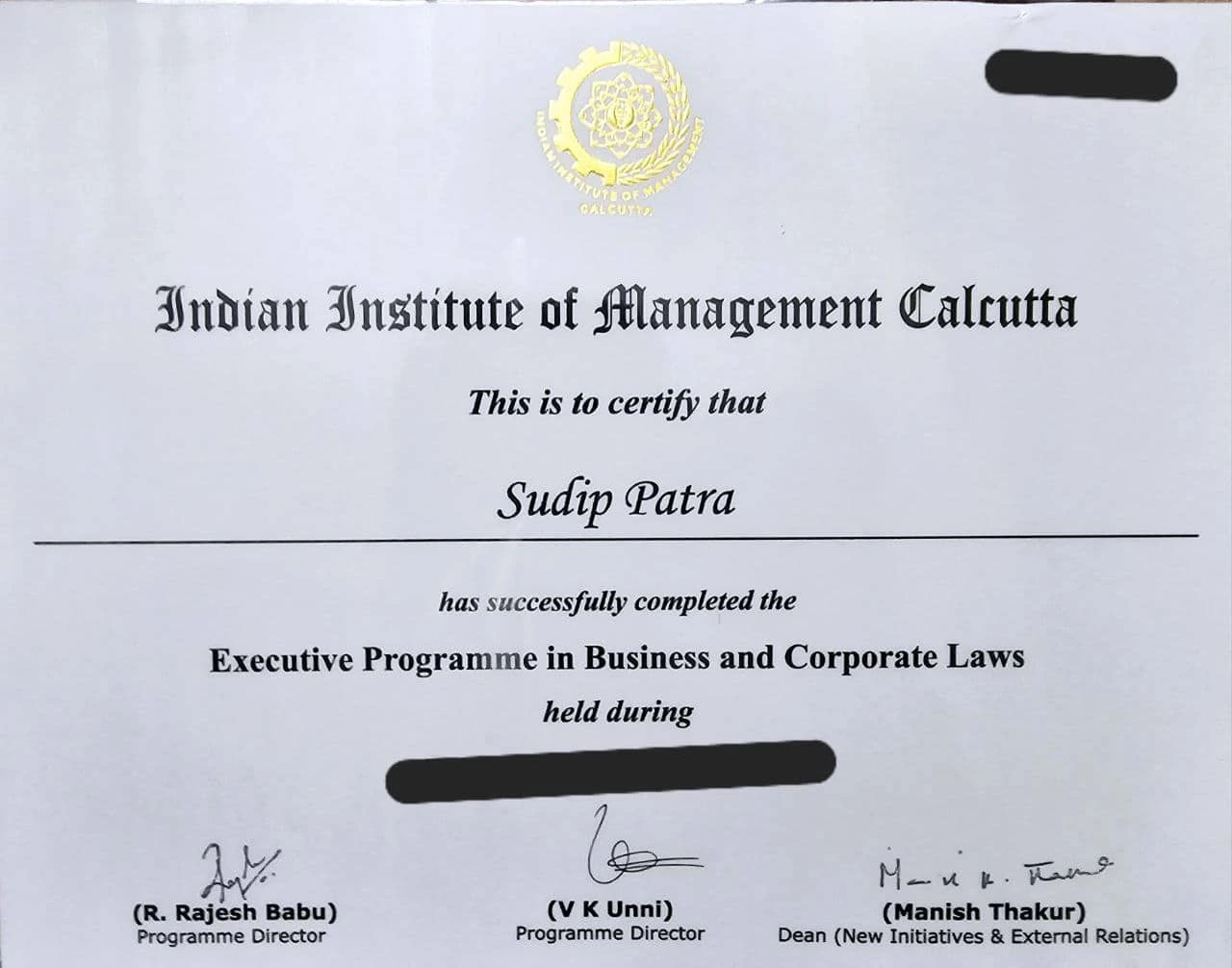
Bar association identity cards and academic certificates.
Short explainers from Adv. Sudip Patra
More short explainers on our YouTube channel: Patra’s Law Chambers on YouTube ↗
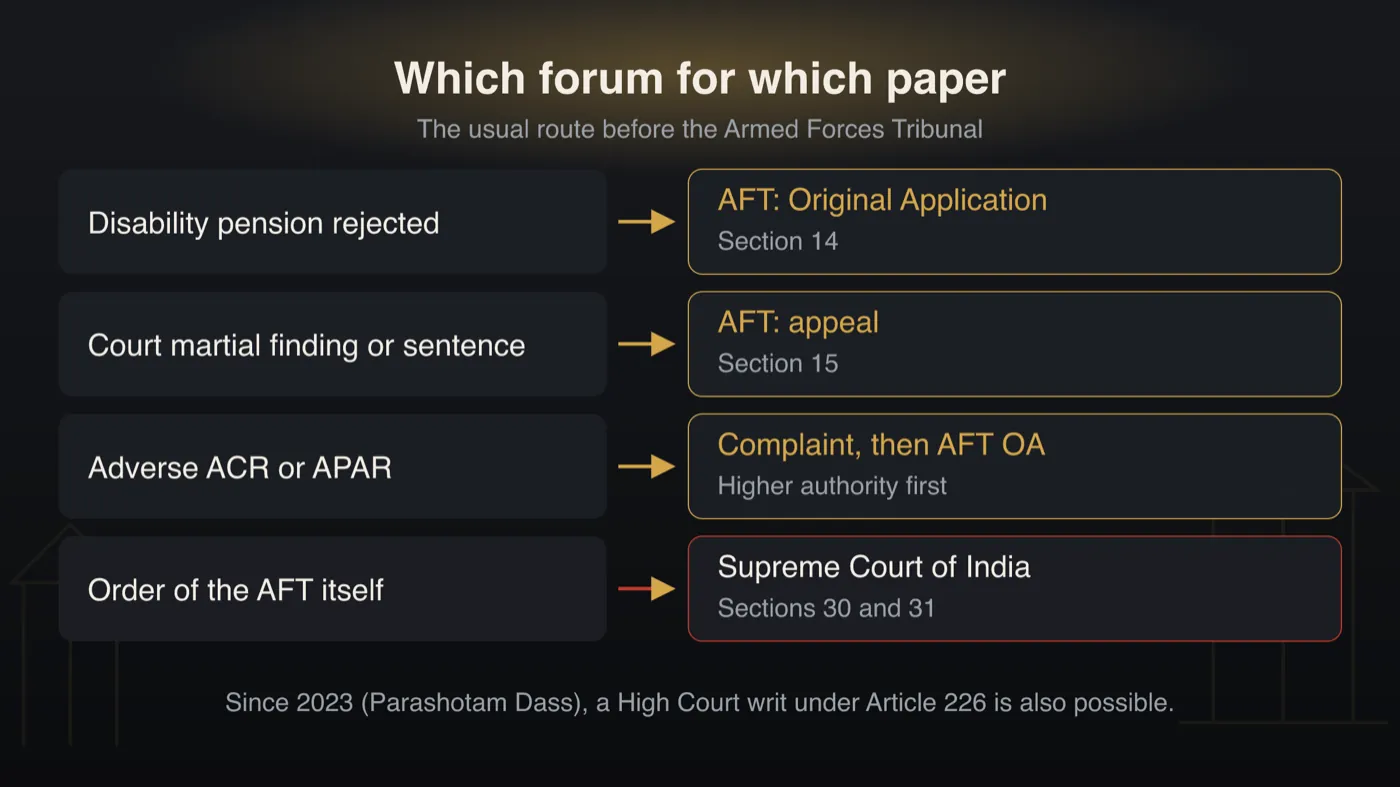
Which paper have you just received?
Pick the one that matches your latest paper. This is general information on the usual forum and remedy, not advice on your case.
Choose one of the options above.
How an AFT matter usually moves
The order of events in a typical Armed Forces Tribunal case, from the first paper to the final order.
Gather the impugned order, service record, medical board papers or court martial proceedings. Write down the dates on which each paper was received.
Section 21 of the Armed Forces Tribunal Act, 2007 expects available departmental remedies to be tried first. A representation that is not decided within six months is treated as rejected for the purpose of approaching the Tribunal.
The Original Application is drafted, with an interim application if urgent relief is needed. Filing is at the Kolkata Bench or the Principal Bench at Delhi, depending on posting and residence.
The Union of India files its reply, and a rejoinder answers it. Interim orders on pension or service benefits can be argued at this stage.
Final arguments are heard and the order is passed. For related service problems see our page on government service matters before CAT and SAT.
An order of the Tribunal can be taken to the Supreme Court under the 2007 Act. Our Supreme Court advocate consultation page explains how such matters are handled.
Four things to know before you file: tap a card
The Armed Forces Tribunal is a statutory tribunal set up under the Armed Forces Tribunal Act, 2007. It hears service matters and court martial appeals of the Army, Navy and Air Force.
Not automatically. A representation helps under Section 21, but you should not assume it extends limitation. Count the period from the date the Act directs and verify it.
Usually the Kolkata Bench or the Principal Bench at Delhi, depending on where you were last posted or where you live after discharge. Confirm the current bench jurisdiction before filing.
AFT matters we handle
Disability and retirement pension
Claims for disability or war-injury pension, challenges to a medical board’s percentage or to rejection of a claim, and disputes on commencement, calculation, commutation or gratuity. Read our guide to disability pension in the Indian Army before you collect your papers.
Court martial matters
Defence in Army, Navy and Air Force court martial proceedings, including Summary and General Court Martial, and challenges before the AFT to findings and sentences. Where the law allows, we also seek suspension of sentence and bail pending appeal.
ACR and Court of Inquiry disputes
Applications to set aside adverse remarks in ACRs and APARs that affect promotion, and challenges to adverse findings or procedural lapses in a Court of Inquiry that touch your career or character assessment.
Discharge, promotion and pay
Challenges to discharge or dismissal orders, requests for reinstatement or alternative relief, promotion disputes, and questions of pay, allowances and leave arising from service conditions. Civilian government service cases are covered on our CAT and service matters page.
Filing and procedure before the AFT
- Original Application (OA): the main pleading stating your grievance and the relief sought.
- Miscellaneous Application (MA): for interim relief, early hearing or placing more facts on record.
- Civil Application (CA): to correct clerical errors in documents already filed.
- Bench: the Principal Bench, or the bench for your last or current posting, or where you reside after discharge.
- Step-by-step help is in our guide to filing cases in the Armed Forces Tribunal.
- Writ questions arising from AFT orders are dealt with through our Calcutta High Court practice.
Supreme Court rulings that guide AFT cases in Kolkata
These decisions are relied on regularly before the Armed Forces Tribunal, Kolkata Bench, and the Principal Bench. They cover disability pension, judicial review of AFT orders and old claims.
2013
Soldier presumed fit at enrolment
The Supreme Court held that a member of the Armed Forces is presumed to have been in sound physical and mental condition on entering service, unless a disease or disability was noted at the time of entry. If a disease appears later, it is presumed to be connected with service unless the Medical Board records clear reasons to the contrary.
2015
Medical Board must justify denial
In a batch of appeals by the Union against AFT orders granting disability pension, the Supreme Court followed Dharamvir Singh. Where the disability is assessed at 20% or more and the Medical Board gives no cogent reasons for calling it unconnected with service, the claimant gets the benefit of the presumption, and the Tribunal can grant disability pension.
2023
High Courts can review AFT orders
A three-judge bench held that a writ petition under Article 226 against an Armed Forces Tribunal order can be heard by the High Court. It held that Union of India v. Major General Shri Kant Sharma, (2015) 6 SCC 773, did not lay down the correct law. The appeal to the Supreme Court under Sections 30 and 31 of the AFT Act, 2007 remains available.
1997
Tribunal decisions stay under judicial review
A Constitution Bench held that the High Courts’ power of judicial review under Articles 226 and 227 is part of the basic structure of the Constitution. Tribunal decisions are therefore open to scrutiny by a Division Bench of the High Court. Parashotam Dass relied on this ruling when it applied the same principle to the Armed Forces Tribunal.
2008
Continuing wrong, but arrears limited
Pay and pension claims based on a wrong calculation are a continuing wrong. Correct fixation can be granted even after long delay. Arrears, however, are normally limited to three years before the case is filed, or from the date of demand if that is later. This is why old pension grievances should be raised without further delay.
How an AFT case moves from complaint to final order
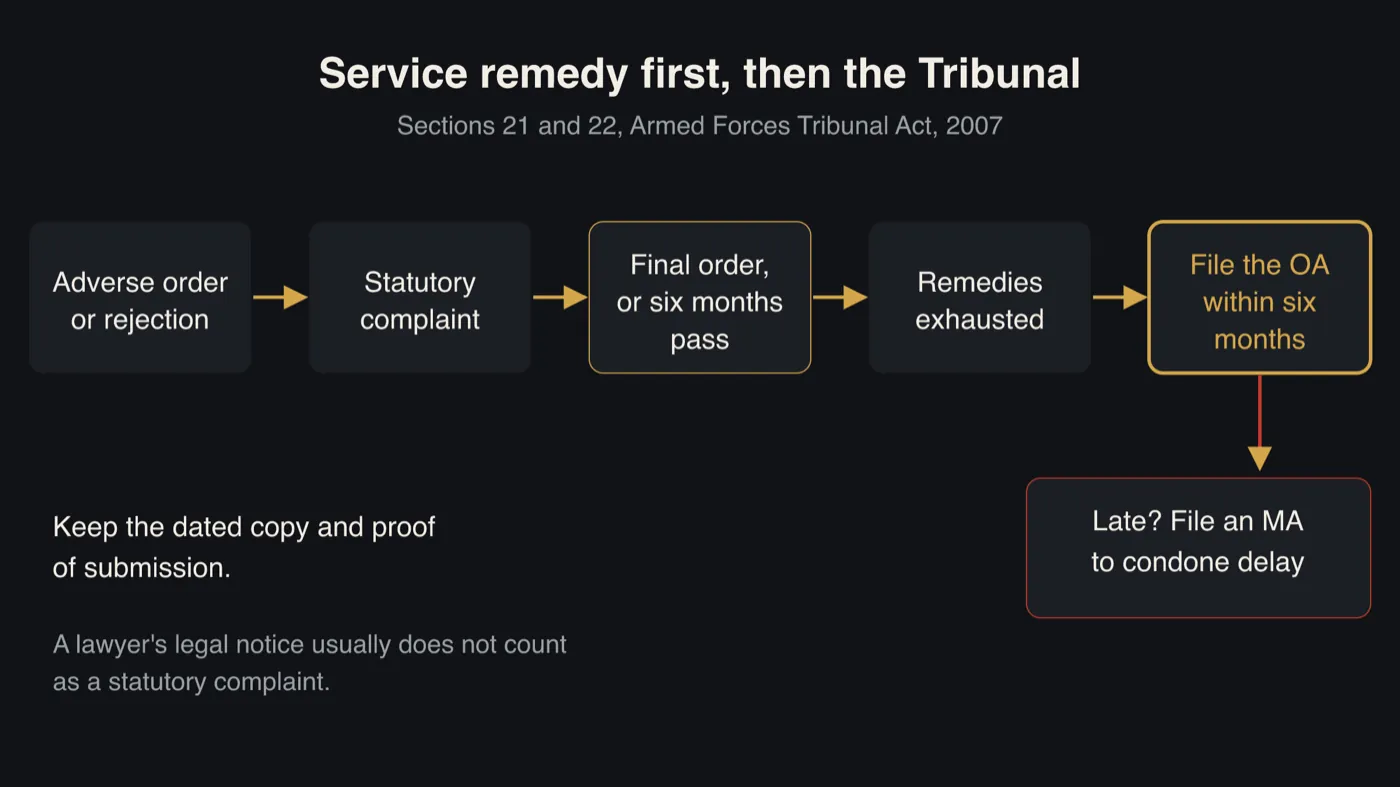
Use the remedy within the service first
Section 21 of the Armed Forces Tribunal Act, 2007 says the Tribunal will not ordinarily admit an application until the remedies under the Army Act, Navy Act or Air Force Act have been used. These include a statutory complaint, appeal or representation. A lawyer’s legal notice usually does not count as a statutory complaint.
Wait for the decision or six months
Under Section 21(2), remedies are treated as exhausted when the competent authority rejects the complaint by a final order, or when six months pass after the complaint was made with no final order. Keep the dated copy and proof of submission. The Tribunal will look for both.
File the Original Application on time
Section 22 requires the Original Application (OA) to be filed within six months of the final order, or within six months after the waiting period ends. If you are late, file a Miscellaneous Application asking for condonation of delay with real reasons. Our guide to filing cases in the Armed Forces Tribunal explains the paperwork.
Choose the correct Bench
Serving personnel usually file where they are posted. Retired or discharged personnel usually file where they normally live, for example the Kolkata Regional Bench for West Bengal. Policy challenges are often heard at the Principal Bench, New Delhi. Disability claims need the medical board papers; see our disability pension guide.
Court martial appeals under Section 15
A finding or sentence of a court martial can be appealed to the Tribunal under Section 15. In the same appeal you can ask for suspension of the sentence and for release while the appeal is pending. The court martial record, charge sheet and summary of evidence must be obtained and checked closely before the appeal is drafted.
After the AFT order
An appeal lies to the Supreme Court under Sections 30 and 31, on a point of law of general public importance. Since Parashotam Dass (2023), a writ petition before the High Court under Article 226 is also maintainable. Advice on the right forum is available through our Calcutta High Court consultation and Supreme Court consultation pages. Civilian defence employees go to the CAT instead (see government service matters).
From medical board to final order: the usual route
A general outline of the usual route under the Armed Forces Tribunal Act, 2007. Your papers may need a different path, so verify with an advocate.
Medical board assessment
The Release or Invaliding Medical Board records the disability, its percentage and whether it is attributable to or aggravated by service.
Claim rejected or percentage low
Ask for the full board proceedings and the reasons. Dharamvir Singh and Rajbir Singh turn on whether cogent reasons were given.
Appeal or representation under the pension rules
Use the remedy within the service first (Section 21) and keep dated proof of submission.
Original Application before the Tribunal
Filed at the Kolkata Bench or the Principal Bench, Delhi, within six months (Section 22). Late filing needs a condonation application.
Supreme Court or High Court
An appeal under Sections 30 and 31 of the Act, or a writ under Article 226 since Parashotam Dass (2023).
Mistakes that weaken an AFT case
Going to the Tribunal before using the service remedy An OA filed without a statutory complaint or representation may simply be returned with a direction to decide the complaint first. This costs months.
Missing the six-month limit under Section 22 Delay can be condoned only for sufficient cause shown in a separate application. Vague reasons are often rejected, so count the dates from the final order.
Accepting the Medical Board opinion without reading it A finding of ‘neither attributable to nor aggravated by service’ with no reasons can be challenged under Dharamvir Singh and Rajbir Singh. Ask for the full Release or Invaliding Medical Board proceedings.
Sitting on an old pension or pay claim Correct fixation can be claimed for a continuing wrong, but arrears are normally limited to about three years before filing (Tarsem Singh). Every month of delay can mean arrears that cannot be recovered.
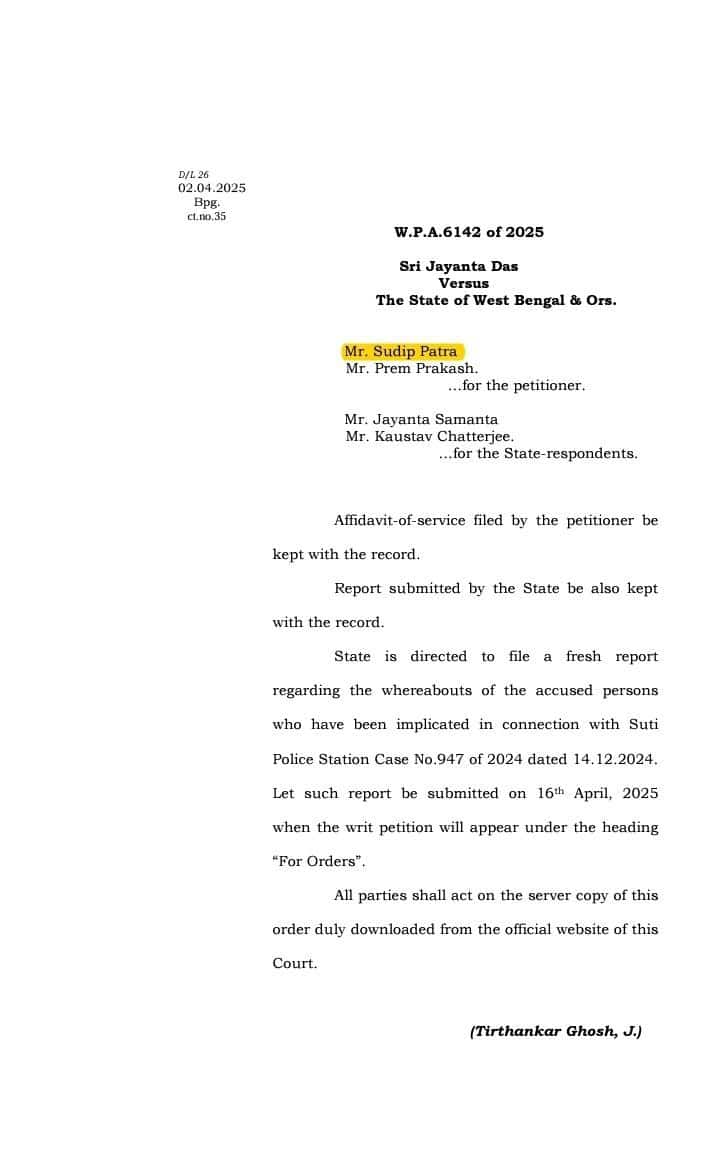
From our practice
Talk through your AFT matter
If you are a serving member, a veteran or a family member facing a pension, court martial, ACR or discharge issue, a short consultation can clarify the forum, the limitation period and the documents needed. Please bring your service record, the impugned order and any medical board or inquiry papers. The advice depends on your facts, and no outcome can be promised. Calls are taken from 7.30 p.m. to 10.30 p.m.
Book a ConsultationEstablished by a distinguished alumnus of IIT Kharagpur, Patra’s Law Chambers stands as a beacon of legal expertise in Kolkata & Delhi. Know more →
Kolkata Office
NICCO House, 6th Floor, 2 Hare Street
Kolkata-700001 (Near Calcutta High Court)
Delhi Office
4455/5, First Floor, Gali Shahid Bhagat Singh
Main Bazar Road, Paharganj, New Delhi-110055
Contact
[email protected]
+91 890 222 4444 / +91 7003 715 325
Papers to keep ready for an AFT matter
Having these ready helps a first consultation stay focused.
The rejection, discharge, sentence or adverse remark, with its date of receipt.
Enrolment, postings, promotions and pay records that support your claim.
Needed for disability pension, including the findings and percentage assessed.
Copies of every complaint or representation sent, with proof of posting and replies.
Charge sheet, proceedings, findings and confirmation order, where relevant.
Service number, PPO number if any, and a reachable phone and email.
Frequently asked questions on Armed Forces Tribunal (AFT) matters
The Tribunal hears service matters of armed forces personnel and veterans, such as pension, disability pension, promotion, discharge, adverse reports and pay disputes. It also hears appeals against court martial findings and sentences under the Armed Forces Tribunal Act, 2007.
Usually at the bench covering your last or present place of posting, or where you reside after discharge. The Principal Bench is at Delhi, and there is a bench at Kolkata. Bench rules change, so verify the current position before filing.
Section 22 of the Armed Forces Tribunal Act, 2007 generally gives six months from the final order. Delay can be condoned only for sufficient cause. Because dates depend on the order and any representation, verify yours promptly.
An Original Application (OA) starts the case. A Miscellaneous Application (MA) asks for something during the case, such as interim relief or early hearing. A Civil Application (CA), as used in practice, corrects minor errors in earlier filings.
Yes, in the usual course by an Original Application, after any appeal provided in the pension rules. The medical board report, service record and rejection letter matter. Outcomes depend on the facts, and none can be promised.
A finding or sentence of a court martial can be challenged by appeal before the Tribunal under Section 15 of the Armed Forces Tribunal Act, 2007. The time is short, so act on receiving the order.
Appeals from the Tribunal lie to the Supreme Court of India under the Armed Forces Tribunal Act, 2007, on a certificate or with leave. Our Supreme Court advocate consultation page gives more information.
Yes. Consultations can be held in English, Hindi, Bengali, Odia and Assamese. Contact details are on this page. A first conversation is general information and does not create any promise of result.